A 300-Day Nomad’s Guide to Why Slow Travel is Superior
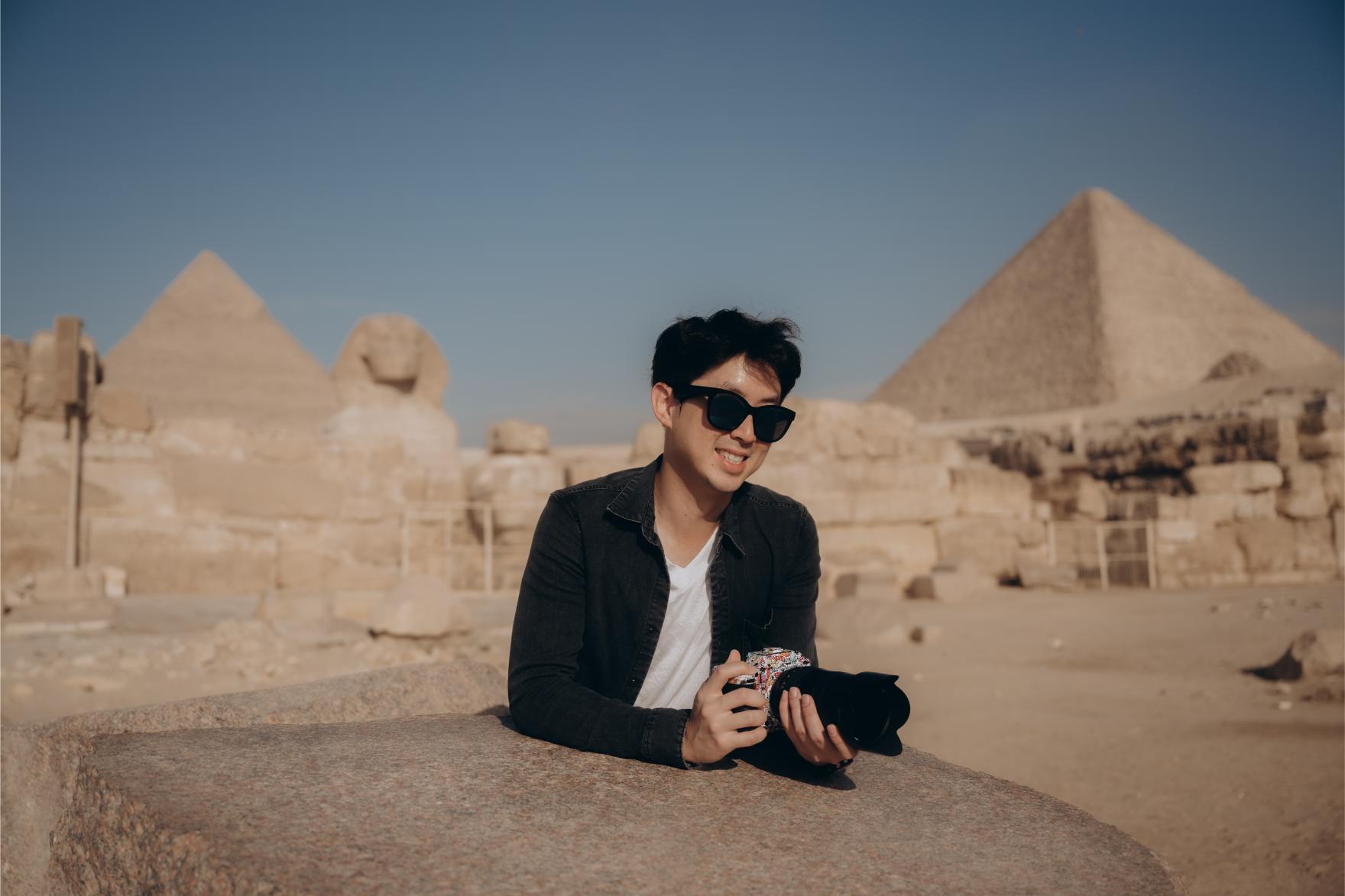
Meet Ian Poh Jin Tze from Singapore in Southeast Asia who has quite an impressive resume and has mastered the art of slow travel. If you have no clue what that is, keep reading because it could just change your life.
Q: Please tell us about how you became a world traveler?
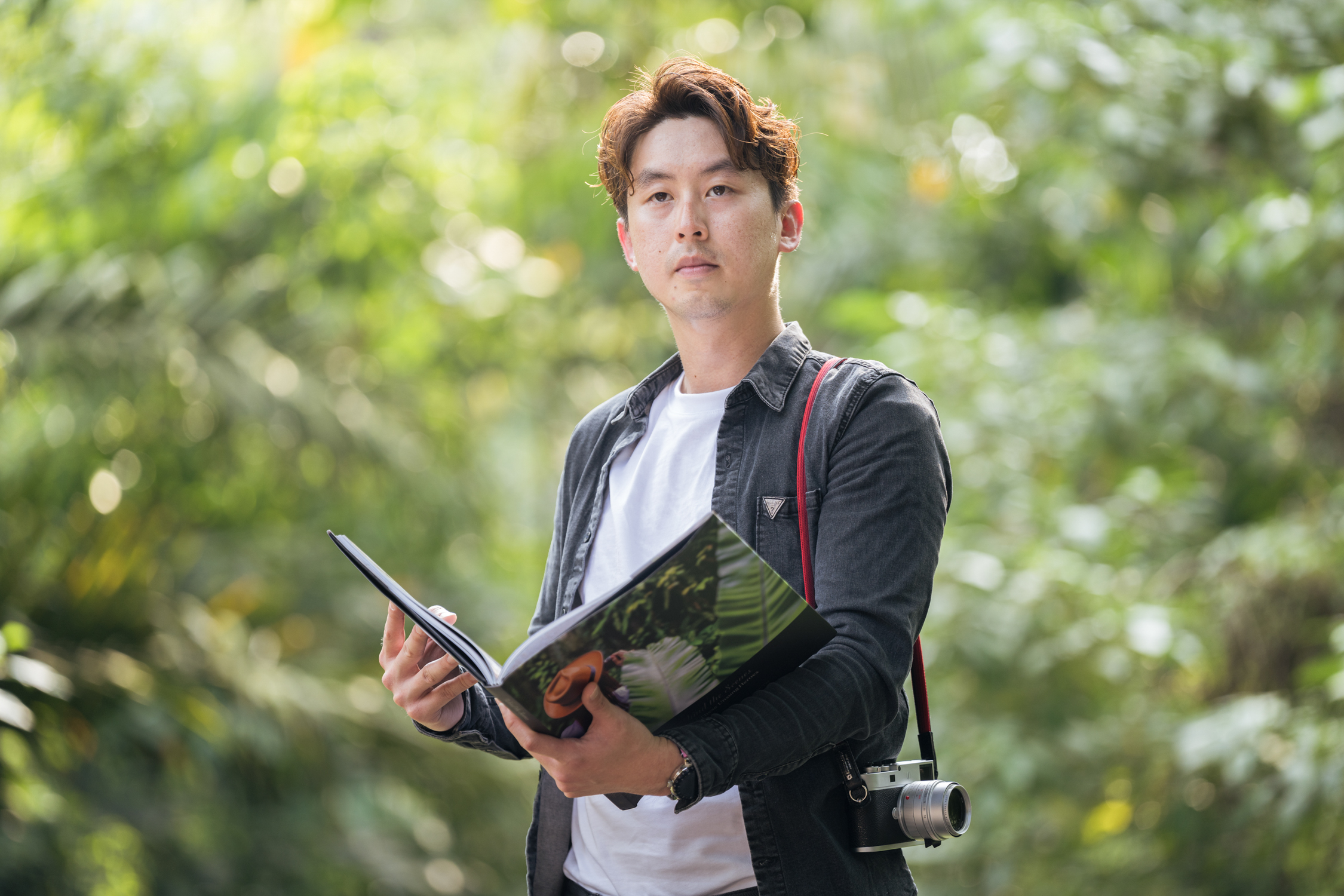
A: I am a storyteller – through the lens of my camera and the rhythm of my pen. For years, I’ve been chasing stories, capturing fleeting moments and uncovering truths that others might overlook. My work has graced the pages of prestigious publications like Singapore Airlines, Eater, Asian Food Network, and Le Cordon Bleu, and I’ve had the privilege of authoring two books: Behind the Scenes: Lives of These Unsung Heroes and The Silent Song of the African Savannah.
But there’s another side to me, one where I step into the world of strategy and business. For nearly 15 years, I’ve been navigating the intricate world of agriculture, serving as a regional director in a field that is as much about passion as it is about purpose. My journey has always been about balance between the creative and the pragmatic, the fleeting and the lasting. It all began as these things often do in the corridors of high school, where my heart beat to the rhythm of sports, musicals, and fleeting teenage distractions. Writing and photography were whispers in the background, drowned out by the chaos of growing up. Yet, even then, there was a flicker – a curiosity, a pull I couldn’t fully understand.
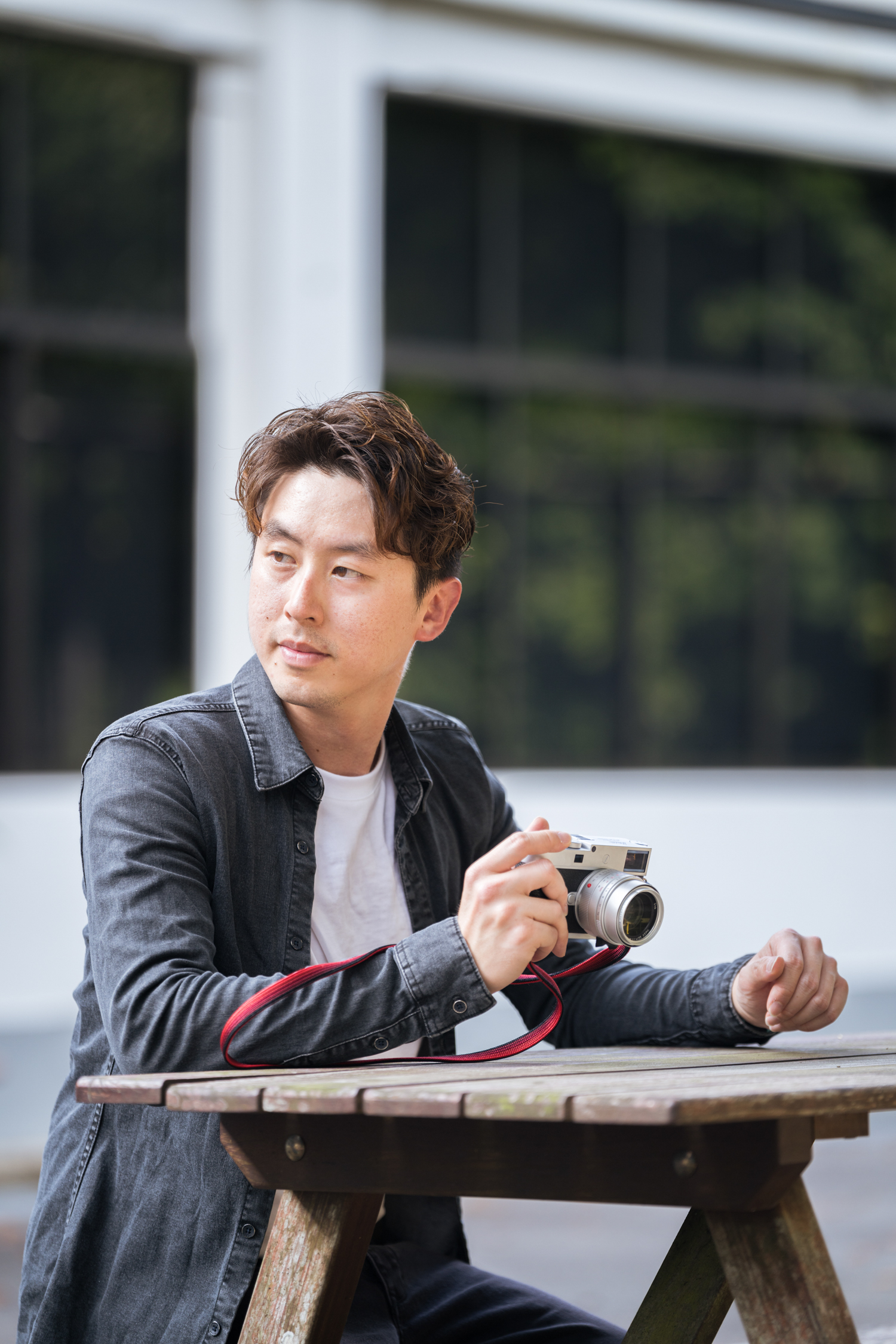
Then came the digital age. From the nostalgic hum of Nokia 8910s to the sleek sophistication of iPhones with 100MP cameras, I found myself in quiet rebellion. Mobile photography became my intimate escape, my silent act of defiance, a way to see the world through a lens when life was too loud to allow it. For over a decade, I captured moments in time, not with the intention of freezing them, but with the intention of capturing their soul.
But everything changed one Christmas, six years ago. My mother handed me a Leica, and in that quiet moment, a revelation unfolded. The lens became an extension of my soul. It wasn’t just about freezing moments anymore. It was about creating a visceral connection. It was about igniting something deep within the viewer’s core, about telling stories that reached beyond what the eye could see. My photographs became an emotional language, a bridge between the inner world and the external one. That awakening transformed me. It led me to write for publications, to share stories that lived within me, and eventually to pen my first book, a piece of my heart laid bare for the world to see.
As for the future I am embarking on the creation of another book – one that seeks to unveil the secrets of an ancient civilization, to dance with its ghosts and unearth its forgotten truths. It’s a project that feels like an intimate conversation with time itself one that I can’t yet fully reveal, but which stirs my spirit every day.
As for the near future, my journey takes me to Paris, France in May 2026, where I will exhibit my photography in a gallery nestled within the vibrant heart of the city’s artistic soul. These images, born of passion and purpose, will not just hang on a wall – they will pulse with the emotions, stories, and raw truths I’ve captured over the years. It won’t be a mere display; it will be an invitation, a conversation between the viewer and the soul of the world I’ve sought to immortalize. In that moment, I want my work to stir something deep within those who experience it, to evoke not just seeing, but feeling – to forge a connection that transcends time and place.
Q: What is slow travel and why is it becoming more urgent now than ever?
A: Slow travel, to me, is a quiet romance with a place – a willingness to linger long enough for its subtleties to reveal themselves. It lives in sun-warmed mornings at a corner café, in the murmur of voices carried on the breeze, and in wandering streets with no destination in mind. As the pace softens, a destination begins to breathe: through the scent of bread just pulled from the oven, the music of a foreign tongue, and the tender rituals of everyday life. These are the moments that linger, long after the journey ends.
While slow travel has always existed, its relevance today feels deeply intertwined with how we long to move through the world now. A new generation of travelers are stepping away from the urgency of accumulation and toward experiences that nourish both spirit and surroundings. In this shift lies a redefinition of luxury — one where time is savored, presence is prized, and connection, rather than conquest, becomes the heart of the journey.
Q: How can someone build a sustainable, meaningful nomadic lifestyle without burning out or selling their soul?
A: When I first set out on my travels, I was like most wanderers, caught in the thrill of ticking off a checklist – rushing from one iconic landmark to the next, chasing the perfect snapshot. My travels, mostly for business, didn’t leave much room for leisurely exploration, so my list was always shorter, but no less driven. Yet, something shifted over time. As I returned to places I had already visited, the need to hurry and see more faded, and I began to slow down. With each return, I felt time stretching out, unravelling like a warm, comforting blanket.
I started to notice the things I once overlooked: the soft glow of dawn lighting up a sleepy village, the rhythmic sound of waves lapping against the shore, or the smell of salty air mixed with the earthy scent of fresh mud. Instead of rushing to chase a perfect sunrise, I found myself sitting by the water, watching fishermen as they quietly pushed off from the shore, their boats creaking in the stillness of the morning. The early light painted them in hues of gold, and the whole scene felt like a living, breathing poem – simple, yet profound.
And then, there was Sri Lanka, a place where my travels took on a deeper, more personal meaning. I recently travelled to the rural villages of Nuwara Eliya, which had been ravaged by devastating floods. The air there was heavy with the weight of loss, but also with the resilient spirit of the people. I found myself helping to distribute dry rations and clothes to families whose homes had been washed away. But it wasn’t just the tangible things I offered, it was my presence, my ear to listen and my heart to understand.
I remember sitting with the locals, the warmth of their hands in mine, their voices soft and filled with stories of hardship and hope. The smell of fresh tea from their humble homes mixed with the scent of rain on the earth. In those moments, I realized that sometimes, all people need isn’t a grand gesture – it’s a compassionate ear, a kind word, a reminder that someone sees them, hears them, and cares. It was in these quiet, intimate exchanges that I discovered the true magic of travel. It’s not about the destinations or the number of places you visit; it’s about the lives you touch, the stories you share, and the connections you forge. The world becomes richer not through the places you see, but through the people you meet and the ways you help make their journeys a little lighter.
Q: What emotional and psychological shifts happen when you stay longer, move slower and observe more deeply?
A: When I stay in a country for an extended period, something magical happens. I stop being just an observer, and I start to feel the pulse of the place, to breathe its air, taste its flavors, and hear its heartbeat. I’ve been fortunate to spend years – sometimes a lifetime, it feels – immersed in cultures, living not just through my eyes, but through my senses. In Malaysia, for example, I didn’t just pass through; I lived and became part of the land.
I spent five transformative years there, and over time, I began to see the country with a clarity I never would have had in a fleeting visit. I wandered through vibrant streets, letting the scorching sun soak into my skin and the scent of sizzling satay and jasmine flowers hang in the thick, humid air. I found the hidden, sacred places where locals gathered—not just restaurants, but homes, bustling street corners, and quiet alleyways. I befriended the people, listened to their stories, and tasted the nuances of their lives in every bite of food.
In my first year, I wrote an article for Eater titled The 38 Essential Kuala Lumpur Restaurants. But it wasn’t just about food. It was about the sound of street vendors calling out their offerings, the warmth of freshly baked pastries still steaming in my hands, the rich textures of spices that seemed to whisper their stories to me. I wrote about not just the restaurants, but the heartbeats of these hidden spaces – the pulse of the city I was falling in love with.
As I delved deeper into the lives of those around me, I found myself drawn to a different world – the world of agriculture. There was something humbling and profound in the way farmers lived, their hands stained by the earth they worked. I spent countless days with them, sitting beside them as they shared their lives. The air was thick with the scent of soil, of fresh rain on the fields, of earth and sweat and hope. I watched as the light shifted on their faces, as their stories unfolded in whispered tones, their eyes filled with both wisdom and weariness.
There’s a quiet, unspoken bond that grows when you sit in the dirt with someone, when you share a meal that’s been grown, harvested, and cooked with love. Over time, I became part of their world – not just a visitor, but someone who understood their struggles, their joys, and the sacred rhythm of their labour. They trusted me with their stories, their real stories – the ones the world didn’t know, the ones too often forgotten.
And that connection, that profound bond, pushed me to write Behind The Scenes – Lives of These Unsung Heroes. It’s a book that paints an intimate portrait of both agricultural and hospitality workers. Through my writing and photography, I wanted to share their untold stories, their laughter, their pain, their triumphs, and their sacrifices – stories that had lingered in the shadows, waiting for a voice. It’s not just about their labour; it’s about the raw, beautiful truth of their lives: the grit, the grace, the untold tales that so often go unnoticed.
Living in a place for so long isn’t just about seeing the sights. It’s about becoming one with the landscape, with the people, with the smells, the sounds, and the tastes. It’s about losing yourself in it all and, in turn, finding something deeper within yourself. You don’t just witness their world – you feel it in your bones. You let it settle in your heart, and in doing so, you are forever changed.

Q: How do you find real connection and a sense of belonging in places that initially feel unfamiliar?
A: I find real connection in the quiet moments, the ones that unfold unexpectedly, often through the people I meet or through the lens of my Hasselblad, which captures the emotions I can’t always put into words.
One of the most powerful experiences of connection came while writing Behind The Scenes – Lives of These Unsung Heroes. Two entire chapters were devoted to the incredible individuals I met within the hospitality industry, who became like family to me during the pandemic. In the world of luxury hotels, you’re often greeted by the soft hum of polite smiles, a scripted “How was your day?” that never quite reaches the heart. But in the midst of the chaos and isolation of that time, something shifted. The usual superficial niceties melted away.
I remember sitting with them, the clink of glasses on wooden tables, the murmur of voices blending into laughter, and the soft light that cast a glow on our shared stories. We talked for hours, like we had all the time in the world. Their words were filled with rawness, the weight of unspoken grief, the relief of shared vulnerability. It wasn’t just small talk—it was real, it was alive. We shared pieces of our lives that we hadn’t even told our closest friends. The bond grew so deep, so swiftly, that it was impossible to ignore.
I couldn’t just leave it there. The stories didn’t deserve to be lost in the air. I had to carve them into something tangible, so I wrote them, and then I filmed them. I captured every tear, every laugh, every look of quiet understanding. The connection was so profound, I felt it in my bones, and I knew their stories had to be seen and heard by others.
And that’s the truth I’ve discovered on my travels: I don’t go looking for connection or belonging. They find me, in the most unexpected, beautifully messy ways. They emerge in the warmth of shared moments, in the scent of rain on hot pavement, in the way someone’s voice cracks just a little when they share something deeply personal. It’s these moments, familiar yet new, that create the feeling of home in places that once felt like strangers.
Q: What are the unseen human stories behind global food and hospitality and why do they matter?
A: We so often sit down to a meal, savoring each bite, yet we rarely pause to consider the profound stories woven into the food before us. Behind every flavor, there are countless untold sacrifices – silent, invisible struggles. Take the durian, for example, a fruit that captivates the senses of those who dare to taste it but repels many with its overwhelming, pungent scent. It is a fruit that is both adored and feared, its aroma so strong that in some places, it’s banned from public spaces. But what we don’t see is the danger and peril the farmers face when harvesting it. These spiky, heavy fruits hang from towering trees, their sharp edges ready to fall with the force of a hammer, creating a thunderous, earth-shaking BOOM as they crash to the ground. Each harvest season, these brave souls risk life and limb, working tirelessly under the shadow of such danger, all to ensure that we can experience the sweet, creamy treasure that lies within. It’s a story of sacrifice – of raw courage and perseverance – woven into every bite we take, yet it often goes unnoticed.
In the same way, the world of hospitality is built on quiet, unseen devotion. How many times have we walked into a hotel, expecting perfection – crisp linens, a warm welcome, flawless service – without ever wondering about the lives of the people who make it all happen? Behind each impeccable room, every friendly smile, there is a story of relentless dedication, often at great personal cost. During the pandemic, while many of us struggled with the isolation of lockdowns, the workers in hospitality were putting their very lives at risk, day after day. They stood on the frontlines, often separated from their families for months, sometimes years, enduring the kind of sacrifice most of us can’t fathom. They worked through fear, through exhaustion, through uncertainty, ensuring that the rest of us could feel a sense of normalcy in a world that had been turned upside down.
These are the unseen heroes: the quiet warriors who make our lives richer and more meaningful, who give everything, often without recognition. They carry the weight of our expectations on their shoulders, without ever asking for anything in return. Their stories are the heartbeat of the food and hospitality industries, pulsing quietly beneath the surface, waiting to be heard. And it’s in these stories of resilience, of love, of raw human sacrifice that the true soul of our experiences lies.
Q: Where is your favorite place so far and why?
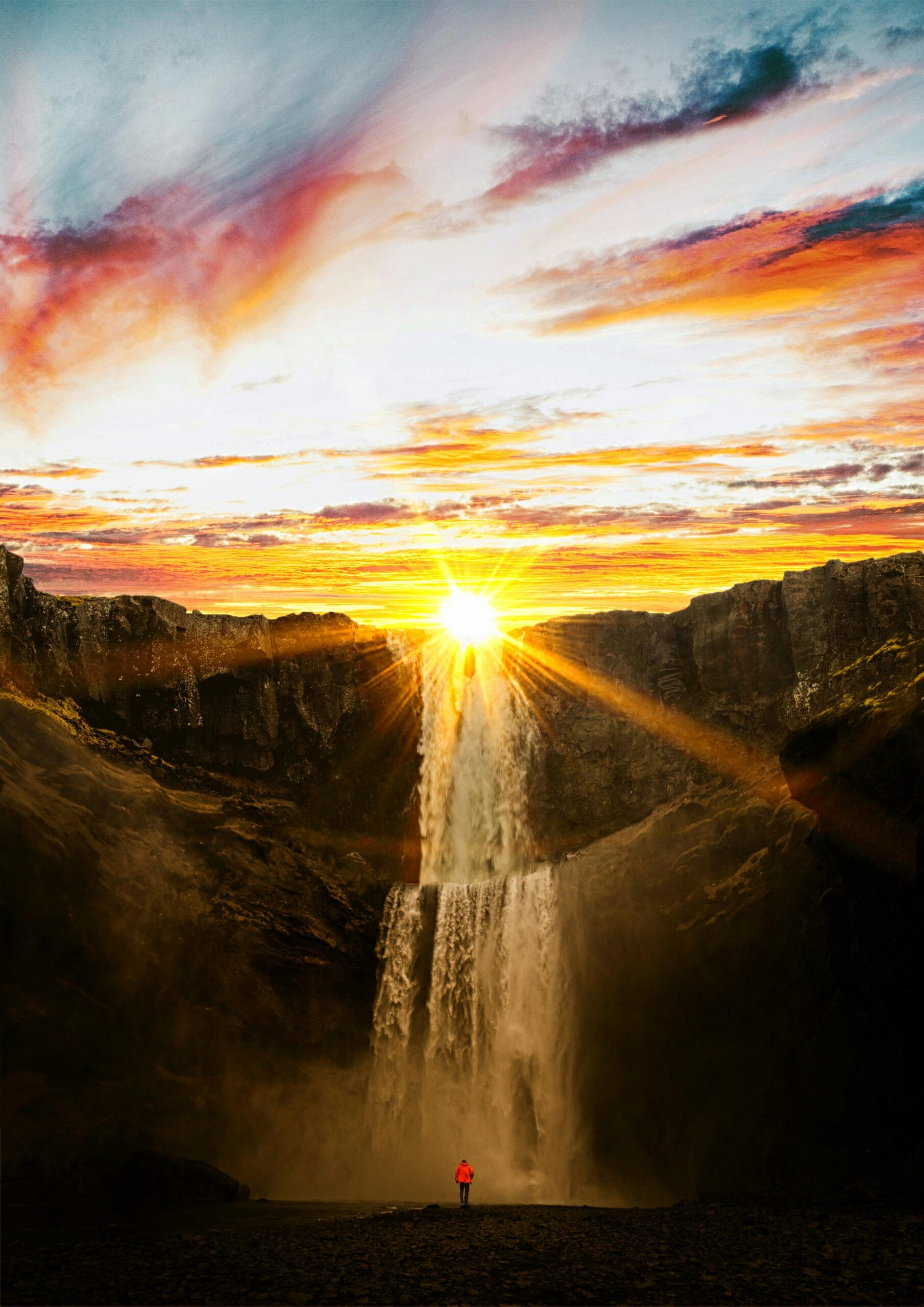
A: I have many favorite places, each one a reflection of the different moods that stir my heart. But when I long for peace – a kind of peace that sinks into your bones and whispers to your soul. Norway calls to me. The air is crisp, almost alive, and the majestic fjords stand like silent giants, their jagged peaks brushing the sky. In the distance, the Northern Lights begin to stir, undulating across the heavens like liquid silk, casting an ethereal glow that fills the world with a kind of quiet magic. I cradle a steaming peppermint mocha in my hands, the warmth of the cup seeping into my skin, while the sharp, fresh scent of pine fills the air. The wind dances around me, tugging at my hair, urging me to slow down, to savour the vastness of this landscape that feels untouched by time. In Norway, every moment is a sacred pause, a slow exhale in a world that rarely stops.
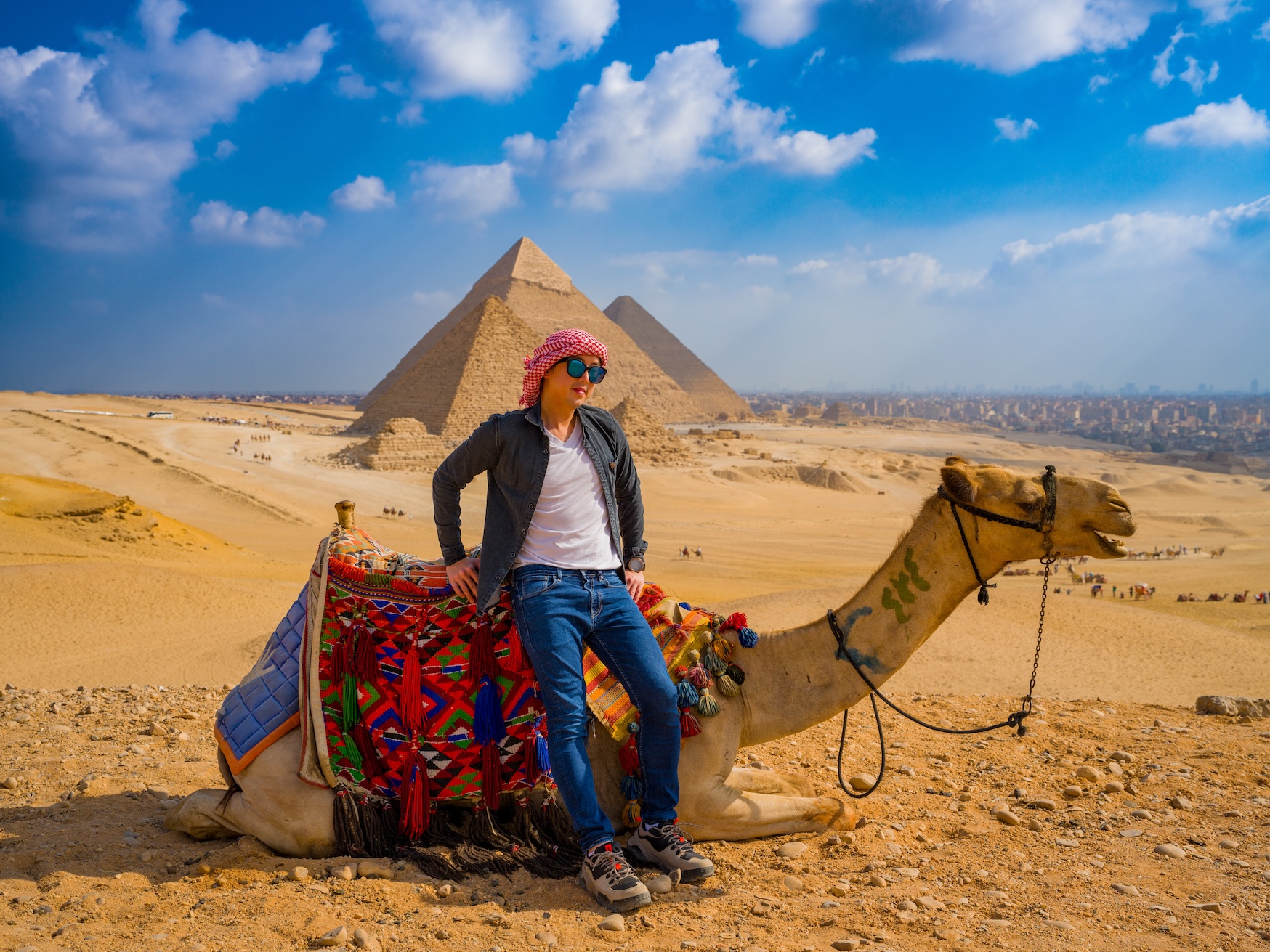
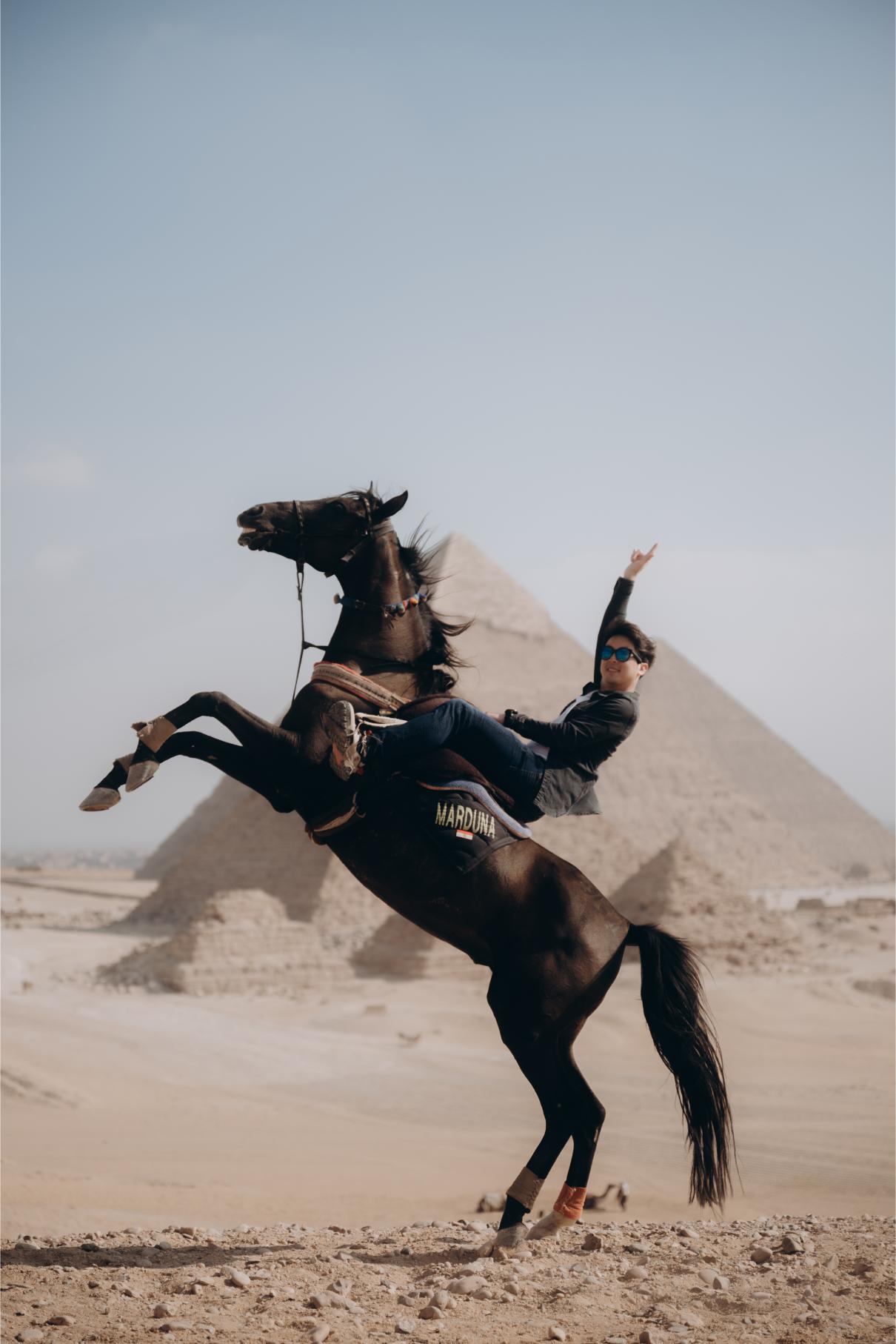
But when my spirit craves the pulse of life, the heartbeat of the world, there are few places that rival the vibrant chaos of Egypt or Serbia. The air here is thick with stories, heavy with the scent of spices and earth. The streets hum with life: the laughter of children, the clatter of tuk-tuks, the call of vendors. The heat is almost tangible, wrapping around me like a lover’s embrace, making the skin glisten with a fine sheen of sweat. Here, I lose myself in the labyrinth of color and sound, each corner offering a new glimpse, a new street photograph waiting to be captured. I am drawn into the raw beauty of it all – the layers of time, the contrasts, the contradictions that are as intoxicating as the air itself.
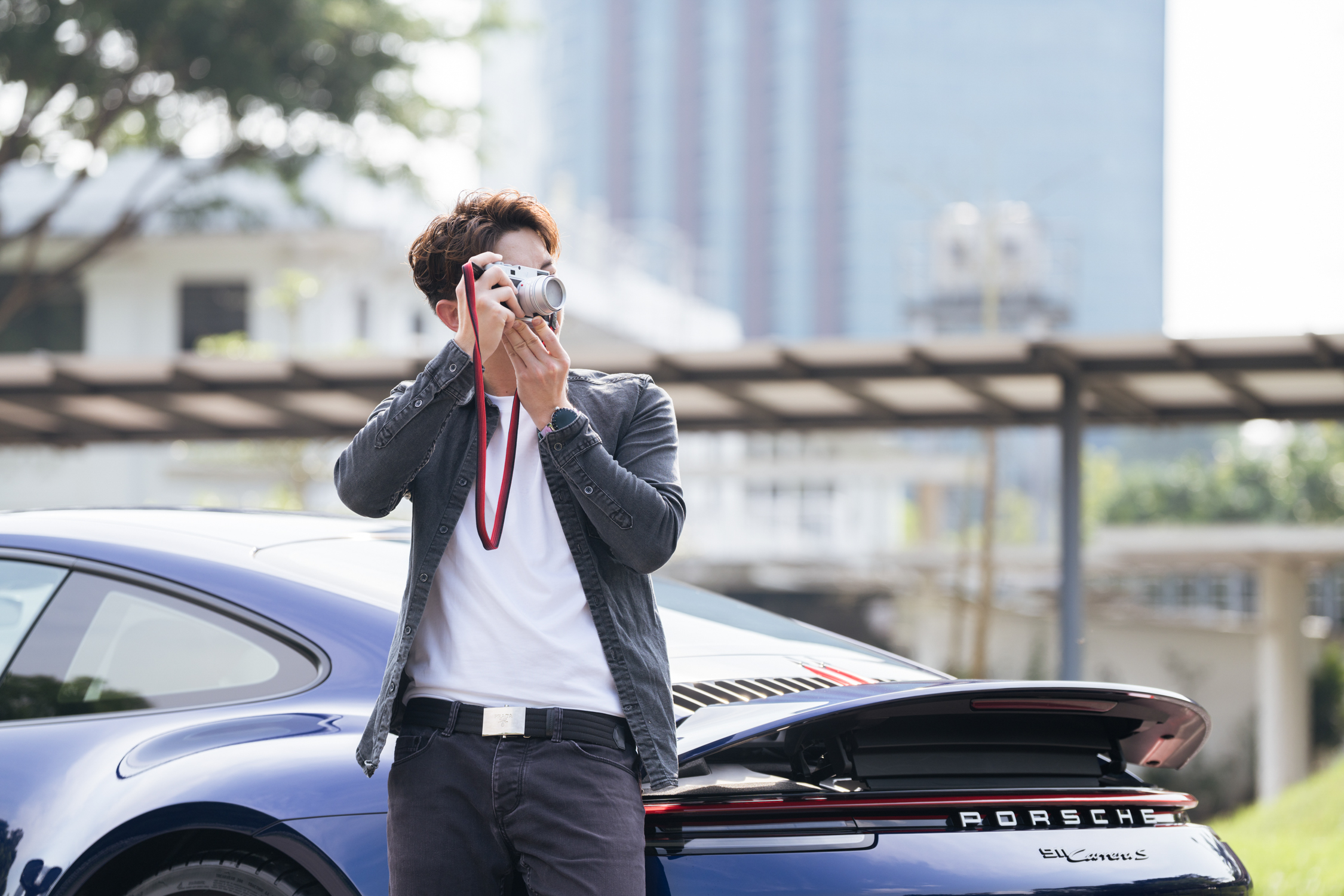
But when the ache for romance and nostalgia strikes, when I long to wander through a place that feels like a dream whispered in French, Paris is my refuge. The city is a symphony, each street a note, each building a stanza in a poem of passion and allure. Mornings begin in the soft haze of dawn, the air still cool with the remnants of night, and I hold a fresh, warm croissant in my hand, its crisp, buttery layers melting against my tongue. I walk the streets with my Leica—its cool metal in my hand, as comforting as an old friend—and everywhere I look, the city offers its beauty. The Eiffel Tower, gleaming against the sky, the Louvre, its timeless elegance whispering stories from centuries past. But it’s the hidden alleys, the quiet corners, that Paris truly reveals herself. The cobbled streets, worn with centuries of footsteps, echo with the soft murmur of lovers, the scent of fresh baguettes drifting from brasseries, and the low hum of a city that never sleeps. It’s here, in these secret places, that I find my inspiration: a quiet alley where love locks glimmer in the dimming light, each one a promise, a memory, a moment frozen in time. As I walk, camera in hand, I can almost taste the romance in the air, feel the pulse of the city in my veins, and hear the whisper of my next book being written in the very stones beneath my feet.
Q: What are the best places for women traveling solo?
A: I would recommend destinations that feel especially safe and inviting for women traveling solo—places where warmth is felt not just in hospitality, but in the atmosphere itself.
In Japan, there’s a quiet grace in the streets and a deep cultural respect that puts you instantly at ease. Thailand offers a softer rhythm—fragrant air, open smiles, and an effortless sense of welcome—while Singapore’s polished calm feels reassuring at every turn.
The Scandinavian countries, including Norway, Iceland, and Sweden, surround you with clean air, hushed beauty, and a sense of balance that allows you to move freely and confidently. And for those craving something more poetic, the Faroe Islands offer misty landscapes and a rare, serendipitous stillness – perfect for travelers seeking solitude that feels both safe and enchanting.