How to do the Spanish New Year Grape Tradition Properly

Let’s explore the Spanish New Year grape tradition everyone keep getting wrong! Learn the common mistakes New Year’s Eve revellers make with las doce uvas de la suerte to bring genuine luck for the year ahead. Doing it the Spanish way makes the tradition far more fun and meaningful. When you understand the cultural significance behind las doce uvas, it turns from a novelty into something genuinely special.
In recent years, Brits and Americans alike celebrating New Year’s Eve have started joining in with Spain’s beloved grape tradition, but many are unknowingly missing the mark entirely. The ritual, known as “las doce uvas de la suerte” (the 12 grapes of luck), involves eating 12 grapes at midnight and carries deep cultural significance that goes far beyond a quirky party trick. Lots of friends try the grape tradition at New Year’s Eve parties, and while the enthusiasm is wonderful, they often miss the cultural meaning and specific etiquette that makes it special. It’s not a drinking game either, folks!
On New Year’s Eve in Madrid, you will be surrounded by locals who take the tradition seriously. The atmosphere during those 12 chimes is electric but also quite solemn. Everyone focuses on their grapes and their wishes for the year ahead. That’s when you realize this wasn’t about following a quirky custom, but rather participating in something that connects millions of people across the Spanish-speaking world. If you’re going to adopt someone else’s tradition, it’s worth doing it properly. Not only will you enjoy it more, but you’ll also show respect for the culture it comes from.
Common Mistakes Revelers Make
Why The Tradition Exists
The grape tradition dates back over a century and centers on eating one grape for every chime at the stroke of midnight. Each grape symbolizes good luck and prosperity for one of the coming 12 months. It’s a moment of reflection, hope, and cultural connection that Spanish families take seriously. The tradition means welcoming the new year with intention. Each grape represents your hopes for a specific month ahead, so it’s quite a meaningful ritual when done properly.

Starting Too Early
One of the most frequent errors is eating the grapes before the twelve chimes actually begin. People who are eager to participate or simply confused about the timing, often pop grapes into their mouths as soon as the countdown starts. You need to wait for the actual campanadas – the 12 chimes from the clock tower. The grapes should only be eaten during those specific 12 strikes, not during the countdown beforehand.
Choosing The Wrong Grapes
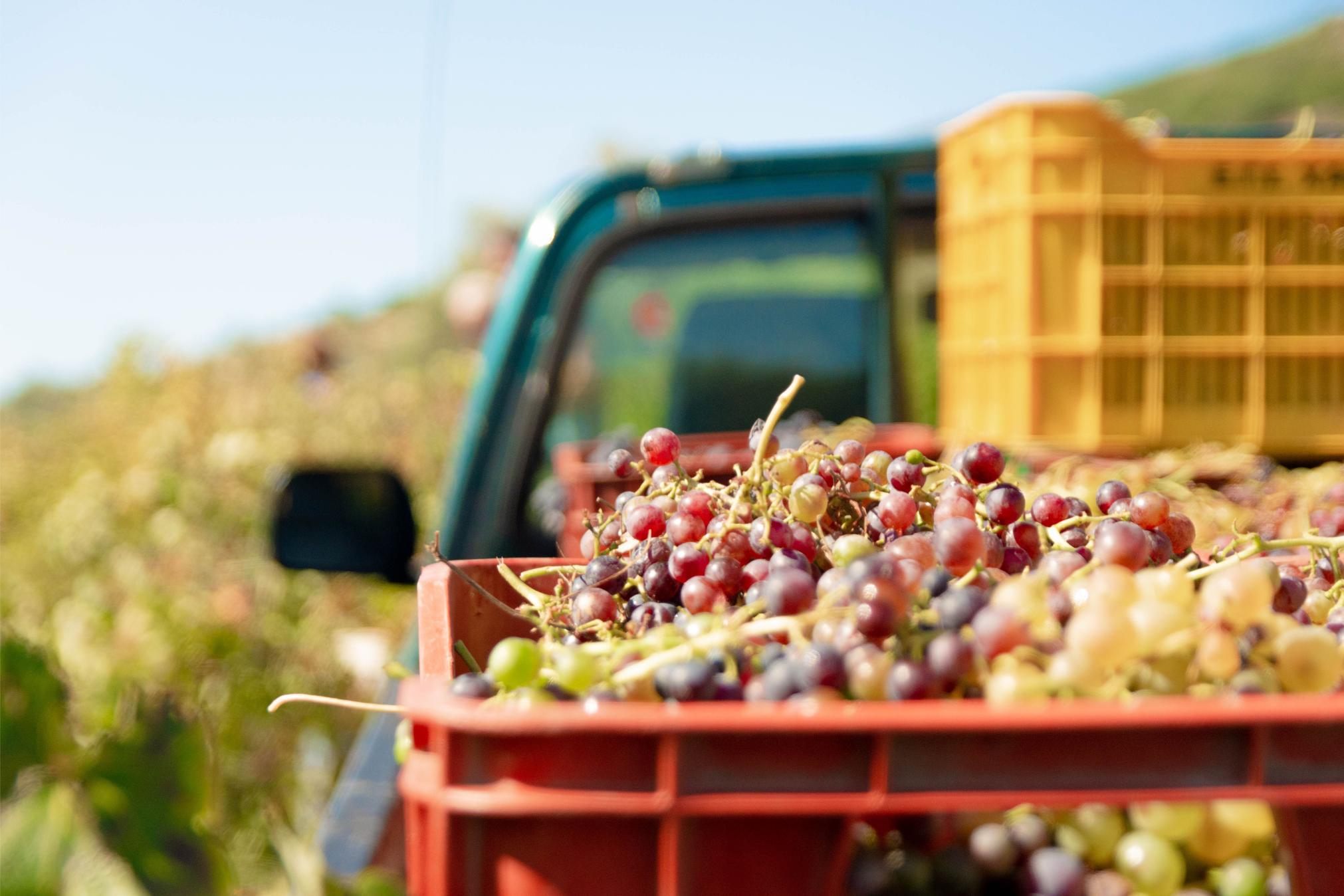
Another common blunder is selecting large, seeded grapes that are nearly impossible to swallow quickly. Some people even choose grapes straight from the fridge, making them more difficult to chew rapidly. Sometimes people are practically choking because they’ve bought massive grapes with seeds. The whole point is to keep pace with the clock, which you simply can’t do if you’re wrestling with grape seeds.
Losing The Rhythm
It’s common for participants to struggle to keep pace with the chimes, either rushing through all twelve grapes too quickly or falling hopelessly behind. The timing is actually quite fast (approximately one grape every second) which catches people off guard. If you’re not prepared, you’ll find yourself with half a bunch of grapes in your mouth by chime number six. It requires more coordination than you’d think. And don’t stuff your cheeks like a chipmunk either!

Turning It Into A Drinking Game
Perhaps the biggest mistake is treating the tradition as another excuse for rowdy celebration rather than respecting its cultural significance. Some people incorporate alcohol into the ritual or treat it as a competition, completely missing the reflective nature of the moment. This isn’t a stag-do challenge. It’s a tradition that Spanish families have honored for generations. There’s a time for celebration afterwards, but during those 12 chimes, it should be about mindfulness and hope for the year ahead.

How To Do It Properly
The correct method is straightforward once you understand the etiquette. First, prepare twelve small seedless grapes in advance. Spanish supermarkets even sell special packets of pre-counted grapes for the occasion. Make sure they’re at room temperature and easily accessible.
When midnight approaches, wait for the 12 campanadas from the clock tower to begin. In Spain, these chimes are typically broadcast on television from Madrid’s Puerta del Sol, but you can use any clock striking midnight. Eat one grape per chime, focusing on each one individually rather than trying to be clever or fast. The goal is to finish all twelve grapes by the final strike of midnight – no sooner, no later. It’s about being present in that moment. Each grape is a fresh start, a new opportunity for the month it represents.