Instagram Worthy Vacations Could be Killing Wildlife
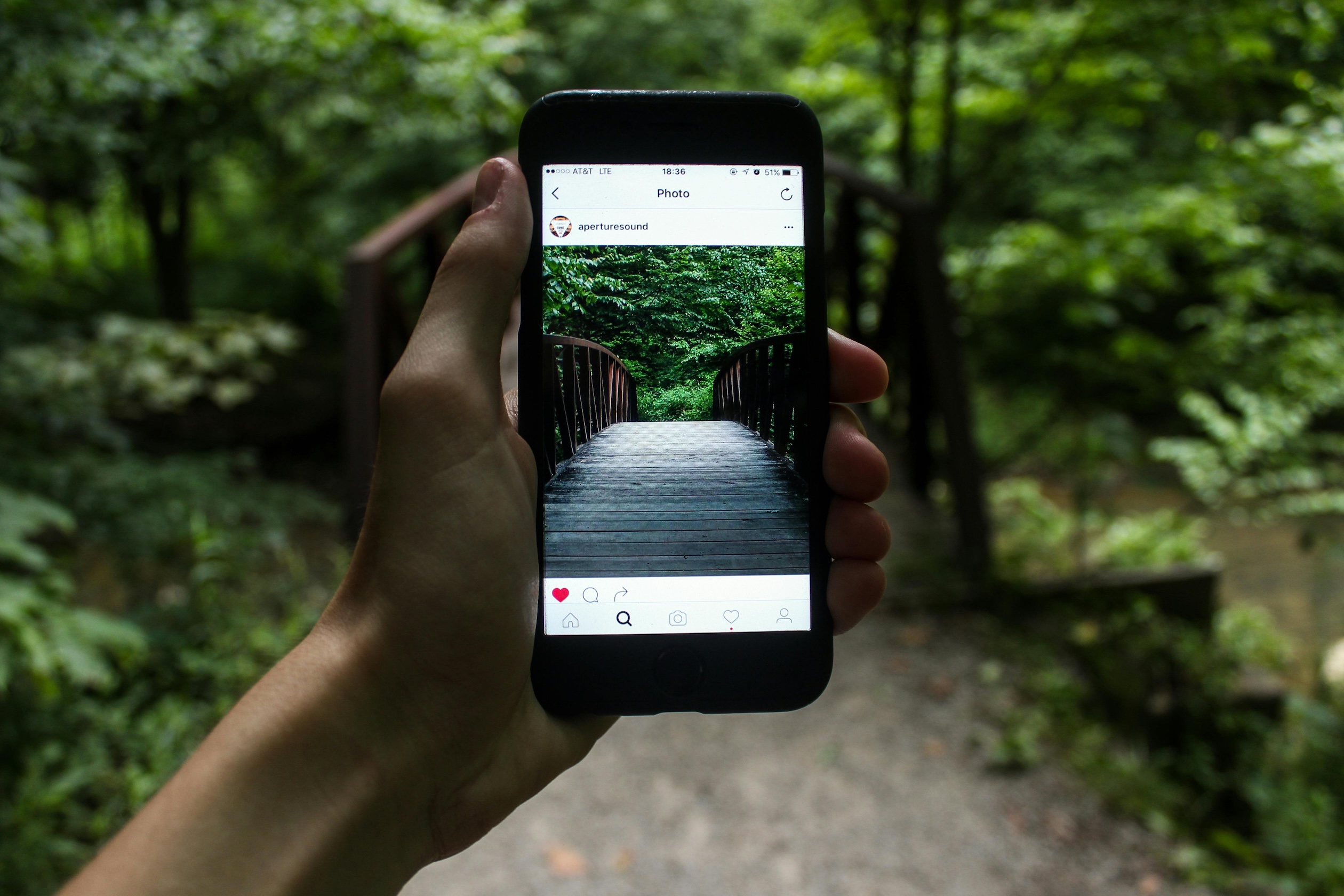
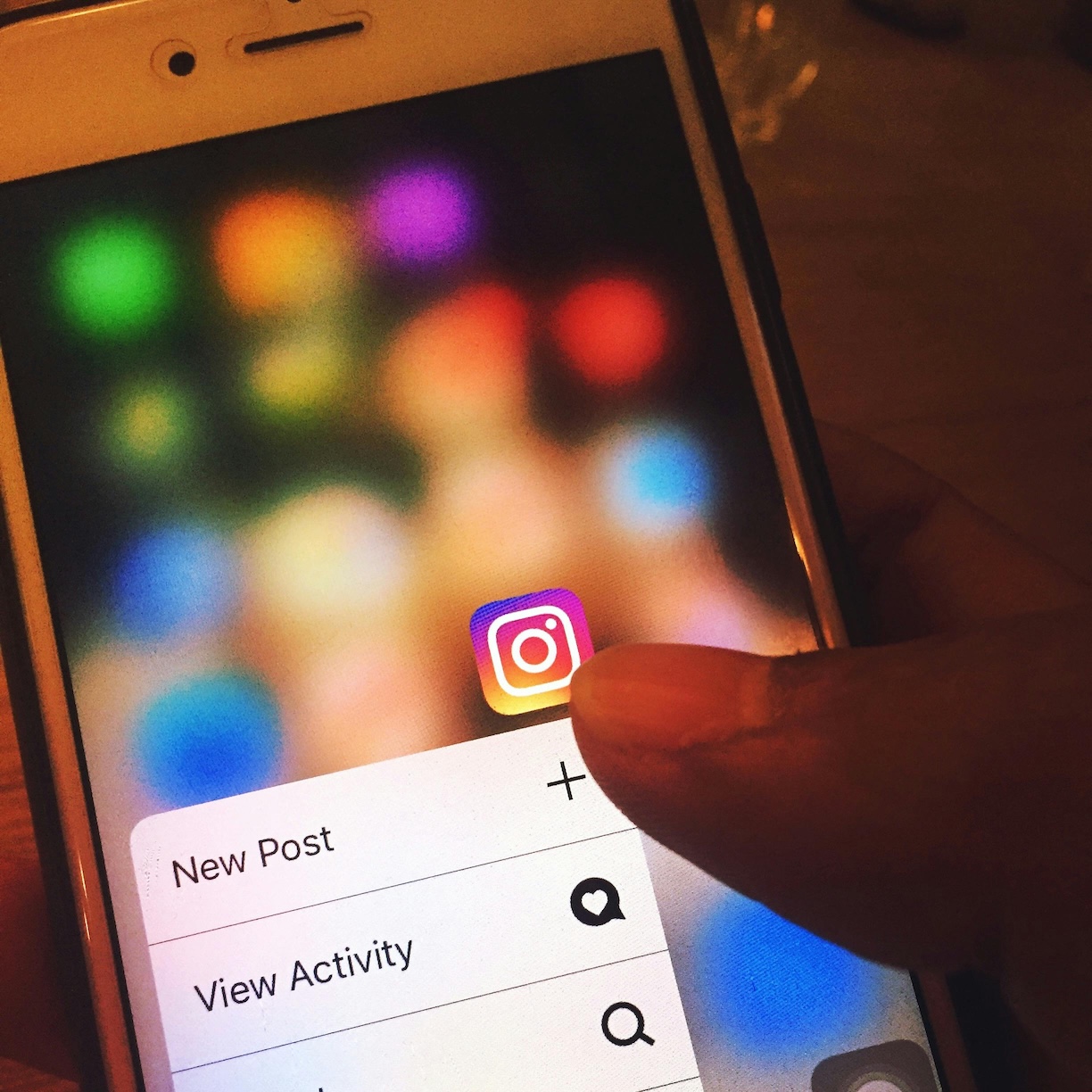
We know… you absolutely LOVE corporate conglomerate bootlicking Meta via Instagram and getting that my-life-is-so-perfect photo for your grid however there seems to be some basic decorum in empathy lacking in today’s society. I don’t know if it’s bad manners or just plain lack of respect but it can be seen from something as simple as going to the grocery store (like move your cart out of the middle of the lane while you shop, for the love of God) to traveling where a stranger will literally elbow you out of the way – or worse in your shot – to get a good pic. It’s been the bane of my existence since “influencers” became a thing. And yes, I will cringe if you call me that because I’m a journalist first, always and forever with a degree and long list of bylines since I was 16 years old to prove it. I call the influencer events photoshoot gang bangs where everyone is clamoring to get the perfect shot… which extends to travel so much so that people are legit dying by falling off of picturesque cliffs. I mean Darwinism does exist, obviously!
Your quest for the perfect shot might be stressing wildlife but we have a list of what you can do to help – and not be a nature Karen. This eye-opening article from the International Drivers Association is essential for environmentally conscious travelers. Did you know your stunning vacation snapshots could harm wildlife? Our latest story highlights the unseen impact of “Insta-worthy” photos on ecosystems, drawing from recent studies and real life examples.
Your Insta-Worthy Vacation Photos Could Be Killing Wildlife, Say Experts
“Our actions should reflect our desire to conserve Mother Nature and its wildlife. Unaware, we might be causing ecological damage through one snap,” argues Julianna Marshall, a travel expert. With the rise of social media, picturesque images have never been more intrinsic to our travels. Yet, pursuing that perfect, viral picture could harm our environment and lead to destruction if not controlled.
Six Ways Your Photos Could Harm Wildlife
- Feeding wildlife for a photo opp: Many tourists feed wild animals to capture the perfect shot. However, this can teach animals to connect humans with food, leading to problematic behavior and increasing the likelihood of unfortunate incidents reported by the National Park Service.
- Disturbing Habitat: According to TravelLush, some tourists venture onto off-beaten paths to photograph creatures in their natural environments, unintentionally damaging homes or stressing animals.
- Endangering Animal Populations: Frequent interaction and disturbance from humans can lead to animal stress, resulting in lower reproduction rates. The aftermath is a decline in some animal populations, per a study by the Zoological Society of London.
- Spreading Disease: Humans can unknowingly transmit diseases to wildlife. One example from National Geographic is the loss of various amphibians due to a fungus that tourists carry.
- Promoting Harmful Practices: According to a BBC report, viral wildlife selfies encourage more people to replicate these shots, increasing harmful human-animal interactions.
- Illegal Wildlife Trade: Pictures with exotic pets often fuel the demand for wildlife trade, contributing to illegal activities, as per World Wildlife.
Expert Advice from International Drivers Association’s Travel Expert
“A simple photo could translate into irreversible consequences for wildlife,” warns Marshall. The surge in harmful tourism practices, such as feeding or disturbing wildlife — primarily driven by social media trends — shows the severity of the problem. This behavior, seemingly harmless in one instance, can escalate to severe ecological damage if not prevented by a study by environmental organizations.
Marshall suggests that altering our behavior while traveling is crucial. Respect for local wildlife is a must when we visit places, recognizing that we are guests in their habitats. Sustainable, mindful tourism will benefit the animals and ensure that future generations can enjoy the same experiences.
“Let’s turn our social media influence into a positive tool for conservation instead,” she adds. Promoting responsible wildlife viewing practices could inspire change in others, using our platforms as a force for good, not harm.
Nine Actionable, Mindful Travel Steps to Take:
- Adhere to park rules and guidelines.
- Prioritize animals’ welfare over photo opportunities.
- Discourage wildlife feeding for photo ops.
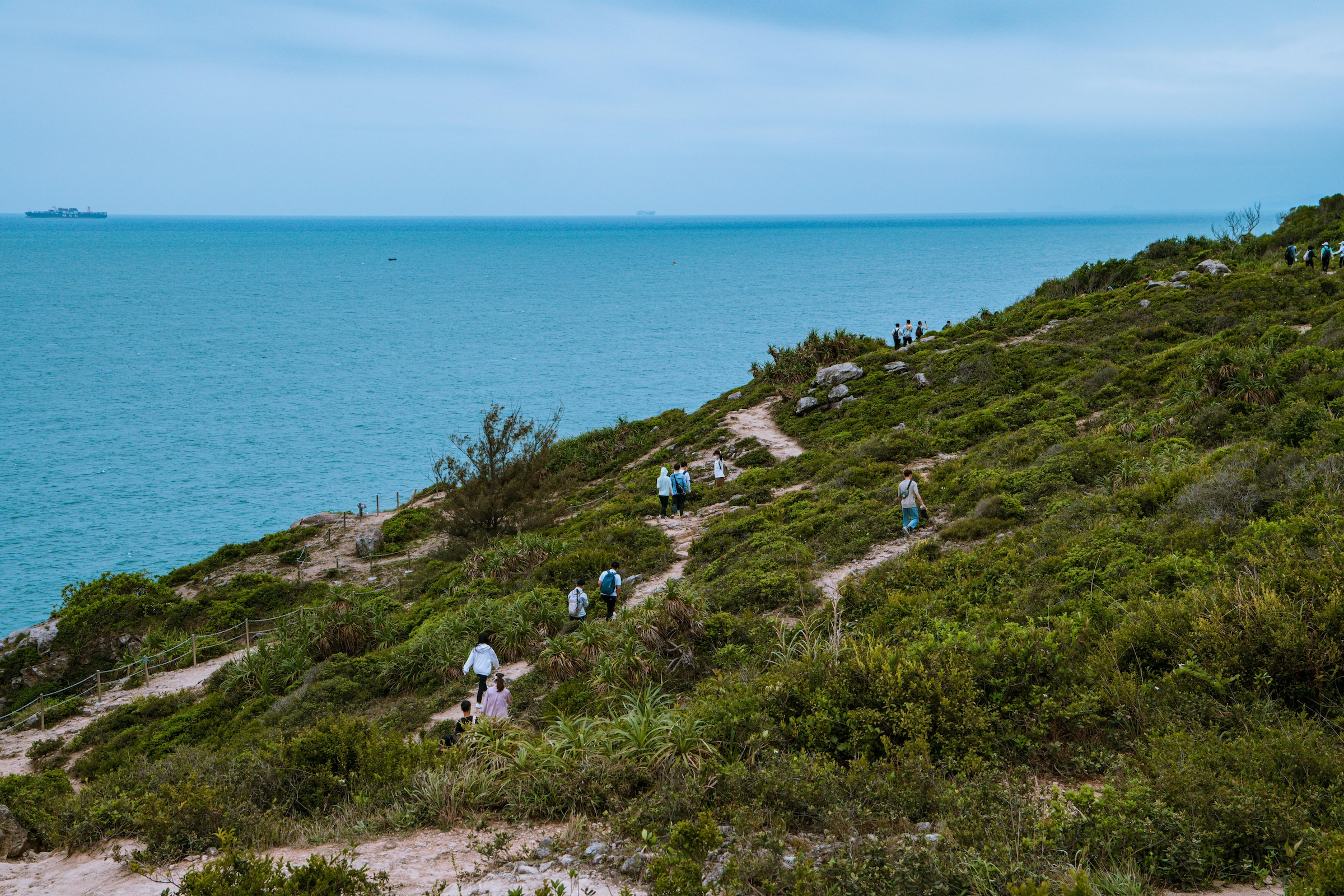
- Stay on the designated paths and trails.
- Maintain a safe distance from wildlife.
- Do not touch or handle animals.
- Post responsibly on social media, discouraging harmful practices.
- Report any maltreatment spotted.
- Encourage others to respect wildlife.
I know it seems harmless but our “Instagram-worthy” vacation photos might be causing more harm to the environment than we think. Tourist behaviors, driven by the need for that perfect shot, can lead to ecological damage, put wildlife at risk, and spread harmful practices.
As Julianna Marshall eloquently says, “We need to consider our actions and the potential ripple effect they can cause. A single click can lead to a chain reaction, either conservation or destruction.” Let’s choose the former.