Where Locals Go Instead of the Most Overrated Spanish Landmarks
Skip the tourist traps and discover the authentic Spain locals actually love! Spain welcomes over 85 million visitors annually, making it one of the world’s most popular destinations. But not every famous landmark lives up to its reputation. A lot of the most iconic spots from Barcelona to Madrid leave travelers feeling overwhelmed, squeezed between crowds, and paying inflated prices for experiences that have lost their authenticity.
“After years of living in Spain and guiding students through the country’s culture, I’ve seen countless visitors return from ‘must-see’ attractions feeling disappointed,” says James Smith, founder of Learn Spanish with James, an online platform offering Spanish courses and cultural insights led by an expert with over 10 years of teaching experience across Spain, Argentina, and Costa Rica. Below, James reveals the Spanish landmarks that consistently disappoint tourists and shares the lesser-known alternatives that offer genuine connections to Spanish culture.
The best Spain exists just beyond the tourist maps. The advice is simple: arrive early or stay late. Most famous sites are bearable before 9 a.m. or after 7 p.m. when day-trippers have moved on. Talk to your accommodation hosts about where they eat and drink. Locals rarely steer you wrong, and you’ll discover places that guidebooks miss entirely. Learn even basic Spanish phrases such as “¿Dónde comen los locales?” (Where do locals eat?) works wonders. People appreciate the effort and often share hidden gems they’d never mention to someone who doesn’t try. Stay curious about the neighborhoods surrounding famous landmarks. The streets two blocks away often hold more authentic culture than the attraction itself. Spain rewards those willing to wander off the beaten path.
Spain’s Most Overrated Landmarks and Where Locals Actually Go
1. La Rambla, Barcelona
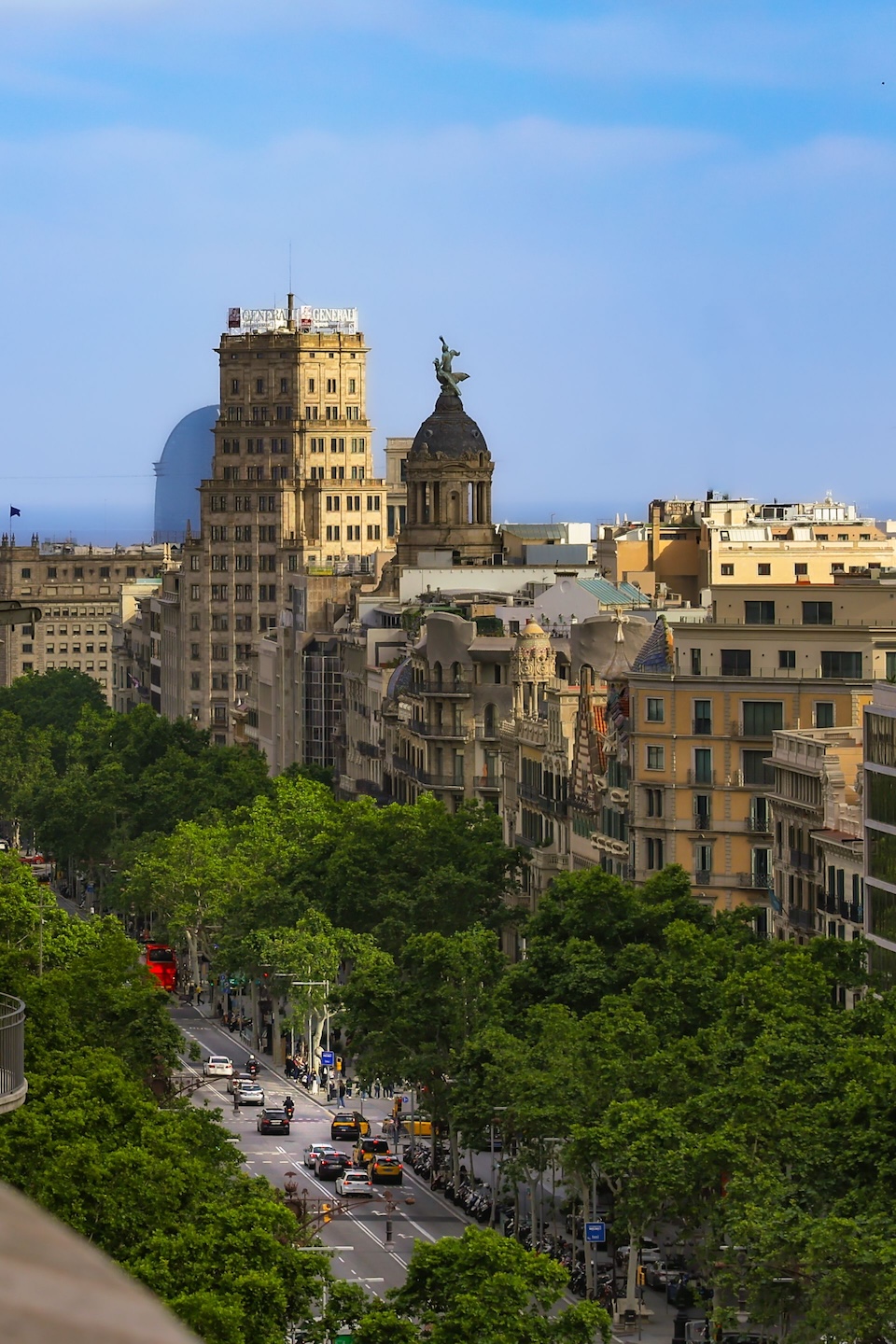
Barcelona’s most famous street attracts millions of visitors each year, but the reality rarely matches expectations. What was once a vibrant promenade is now a gauntlet of overpriced restaurants, tourist tat shops, and opportunistic pickpockets. The famous street performers feel staged, and outdoor cafés charge upwards of €8 for a coffee that costs €1.50 elsewhere.
“La Rambla has become a victim of its own fame,” James explains. “It’s so focused on tourists that it’s lost any authentic Barcelona character.”
Instead, head to El Born or Gràcia. These neighborhoods pulse with genuine Barcelona bohemian energy. You’ll find independent cafés where locals actually drink their morning cortados, artisan shops selling handmade goods, and restaurants where the menu is in Catalan language first. The architecture is just as stunning, but you’ll actually have space to appreciate it.
2. Puerta del Sol, Madrid
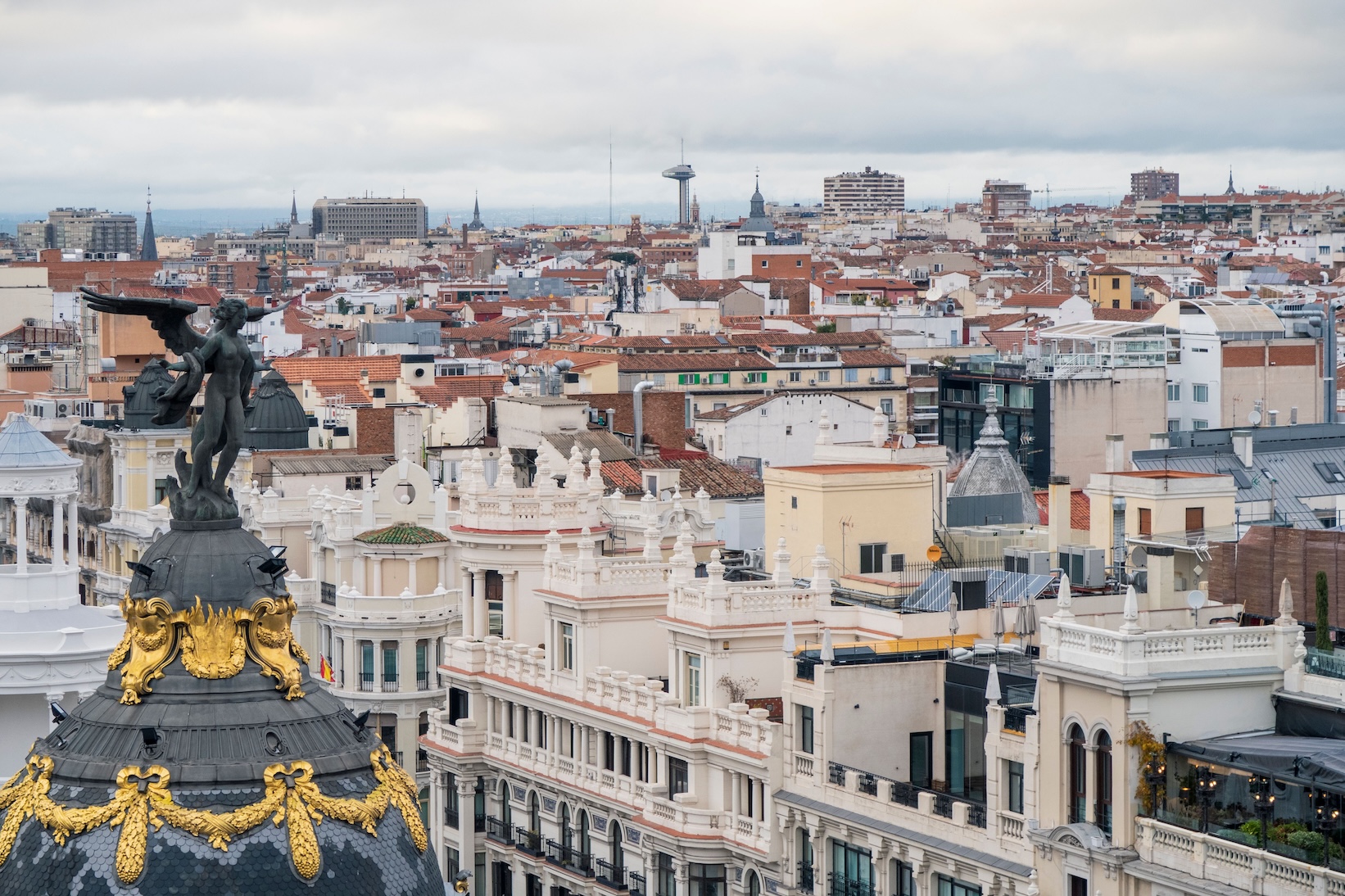
Madrid’s supposed heart beats with commercial chaos rather than cultural charm. Puerta del Sol is perpetually jammed with people taking photos of the bear statue, dodging aggressive street vendors and navigating chain stores. There’s little here that couldn’t be found in any major European city center.
“People expect Puerta del Sol to feel quintessentially Madrid, but it’s actually one of the least characteristic spots in the city,” says James.
For genuine Madrid atmosphere, visit Plaza Mayor early in the morning before the tour groups arrive, when market vendors are setting up and locals are having breakfast. Better yet, explore La Latina, where narrow cobbled streets wind past centuries-old taverns, traditional markets, and tapas bars where standing at the bar is the norm.
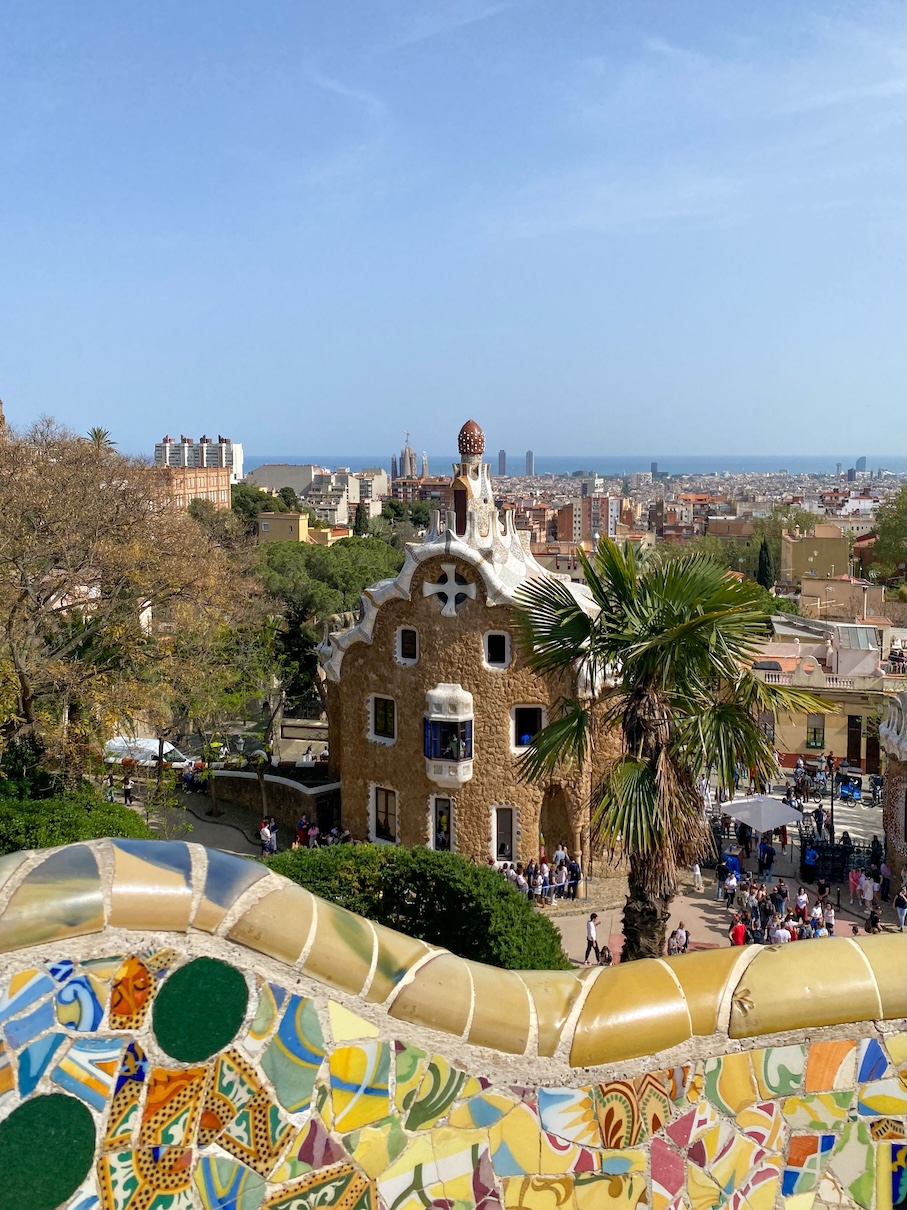
3. Park Güell, Barcelona
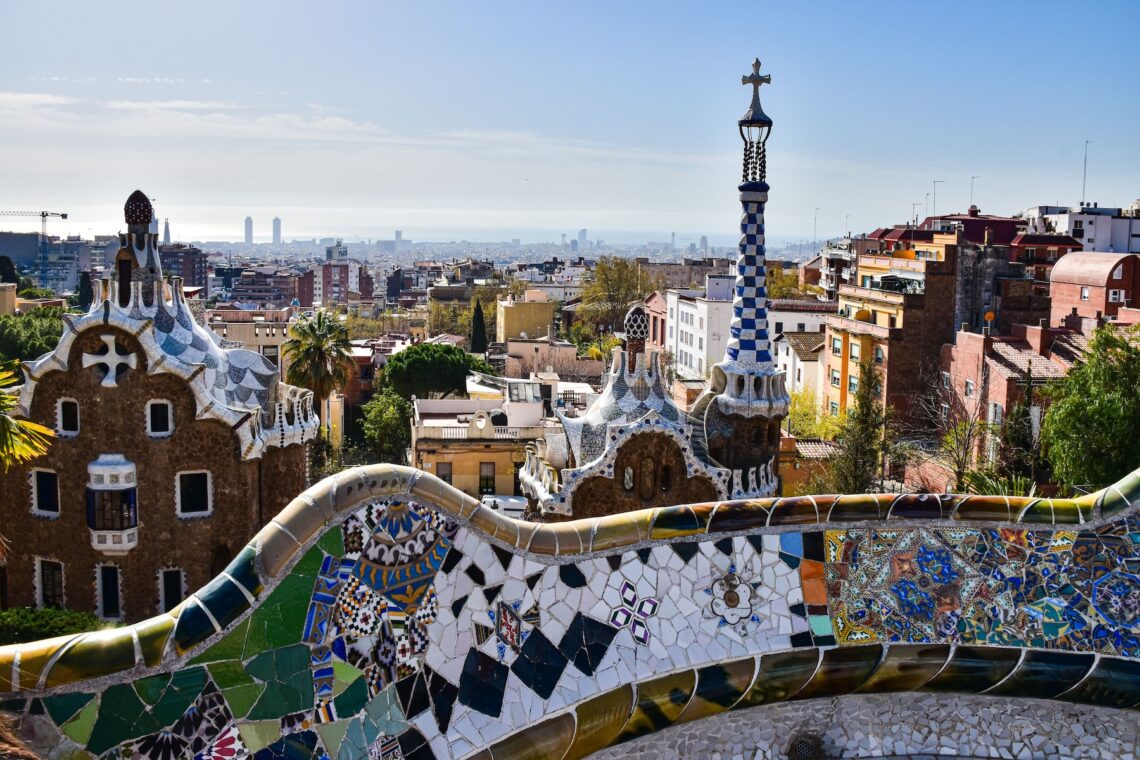
Gaudí’s whimsical park looks magical on Instagram, but the reality involves timed entry tickets, restricted access, and crowds that make it impossible to get an unobstructed photo of those famous mosaic benches. The paid monumental zone is relatively small, and many visitors leave feeling they’ve paid €10 for a 20-minute experience.
“Park Güell has become so controlled and commercialized that it’s lost the spontaneous joy that Gaudí probably intended,” James notes.
For breathtaking Barcelona views without the entry fee or crowds, climb up to Bunkers del Carmel. This former anti-aircraft site offers 360-degree panoramas of the entire city, from the sea to the mountains. It’s free, accessible any time, and beloved by locals who gather here for sunset with wine and good company.
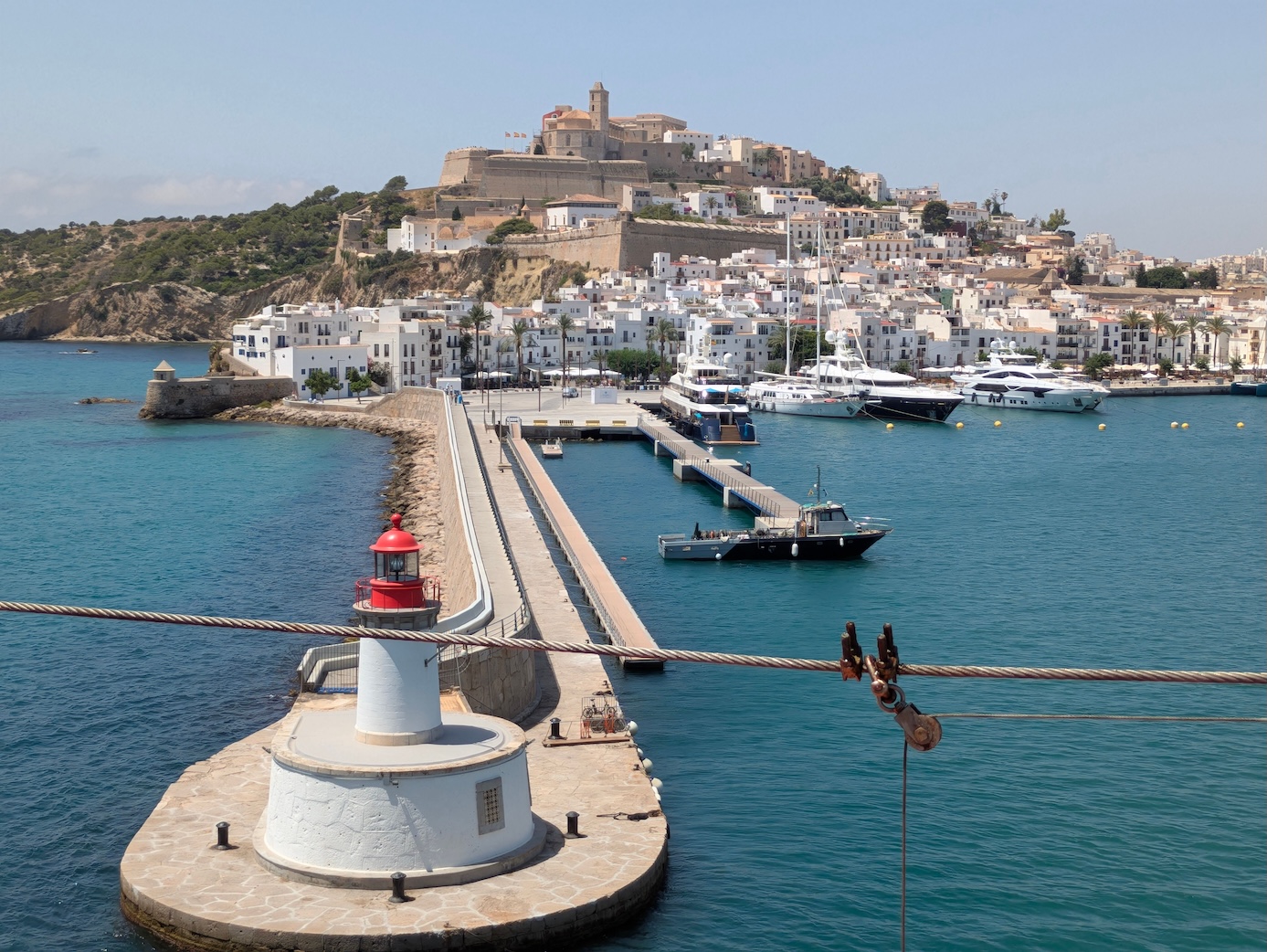
4. Ibiza’s Party Strips
Ibiza‘s reputation as Europe’s party capital draws hundreds of thousands of clubbers annually, but the main strips in San Antonio and Playa d’en Bossa can feel like one long stag weekend. Drink prices are astronomical, venues prioritize tourist groups over atmosphere, and the authentic island that attracted bohemian artists for decades is buried under neon and noise.
“The party scene has its place, but it’s not representative of what makes Ibiza special,” says James.
Try Formentera via a short ferry, or explore northern Ibiza around San Juan and Portinatx. Here you’ll find secluded coves, whitewashed villages where time seems to have stopped, and beach bars where boho culture still thrives. The beaches are cleaner, the water clearer, and you’ll pay half the price. Want to explore the whole coast on a road trip? We got you!
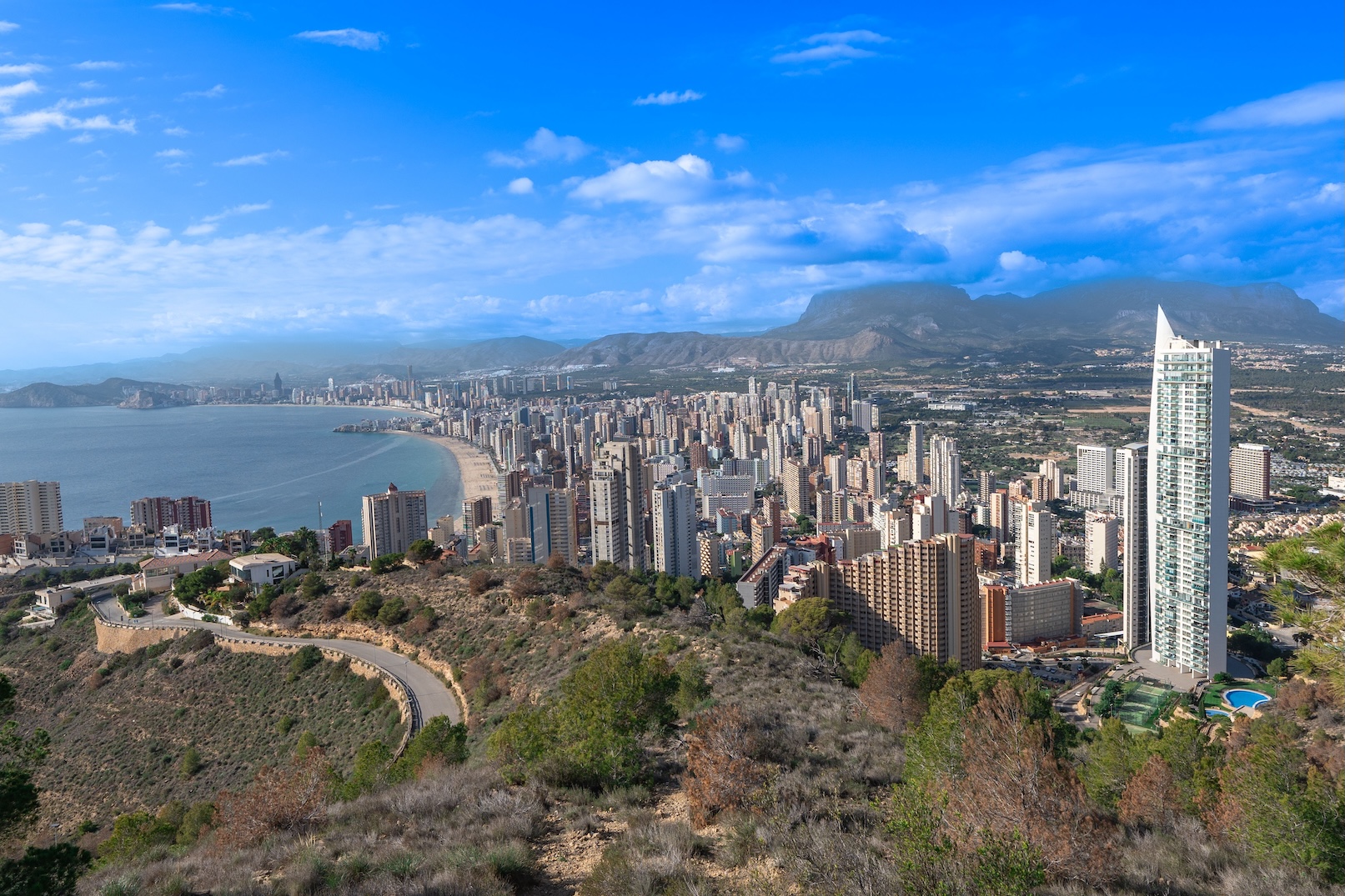
5. Benidorm’s Beach Fronts
Benidorm‘s towering hotels and packed beaches epitomise package tourism at its most intense. The beaches are crowded, restaurants serve “international cuisine” that’s neither Spanish nor particularly good, and entertainment is aggressively targeted at British tourists seeking sun, chips, and cheap pints.
James observes, “Benidorm serves a purpose for certain travelers, but if you’re looking for Spanish culture or authentic coastal life, you won’t find it here.”
Instead, venture slightly further to villages like Altea or Guadalest in the mountains, where Spanish families holiday, restaurants serve proper paella, and the pace reflects genuine Mediterranean culture rather than manufactured tourism.
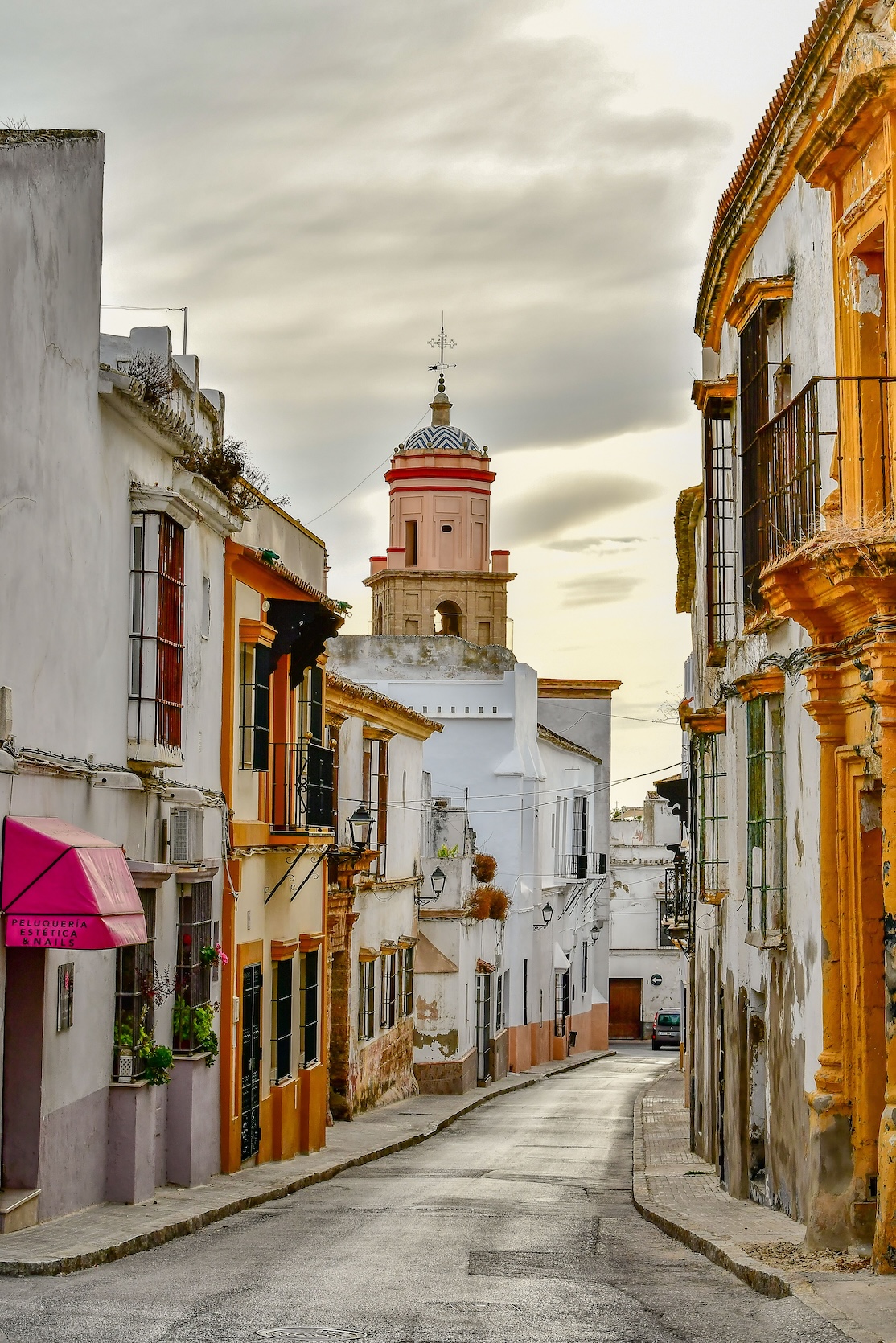
Before you even depart that plane though, make sure to at least learn some conversational Spanish! It’s polite, respects the culture and will serve you well in your travels in the future. There’s many apps out there that you can play with while cooking dinner or check out a true Spanish language professional below.
Learn Spanish with James is an online platform for mastering Spanish, led by James Smith, a fluent Spanish speaker with over 10 years of teaching experience. With a rich background of living in Spain, Argentina, and Costa Rica, James brings a wealth of cultural experiences and linguistic immersion to his teaching approach. The platform offers diverse courses for all levels, with personalized tutoring and access to free materials, podcasts, and e-books. With immersive activities and authentic content, it’s perfect for anyone aiming for Spanish fluency.