Explore The Odyssey’s Viking Ship Draken Harald Hårfagre in Oslo, Norway
Story by Cassie Hepler, Submitted Images and Video
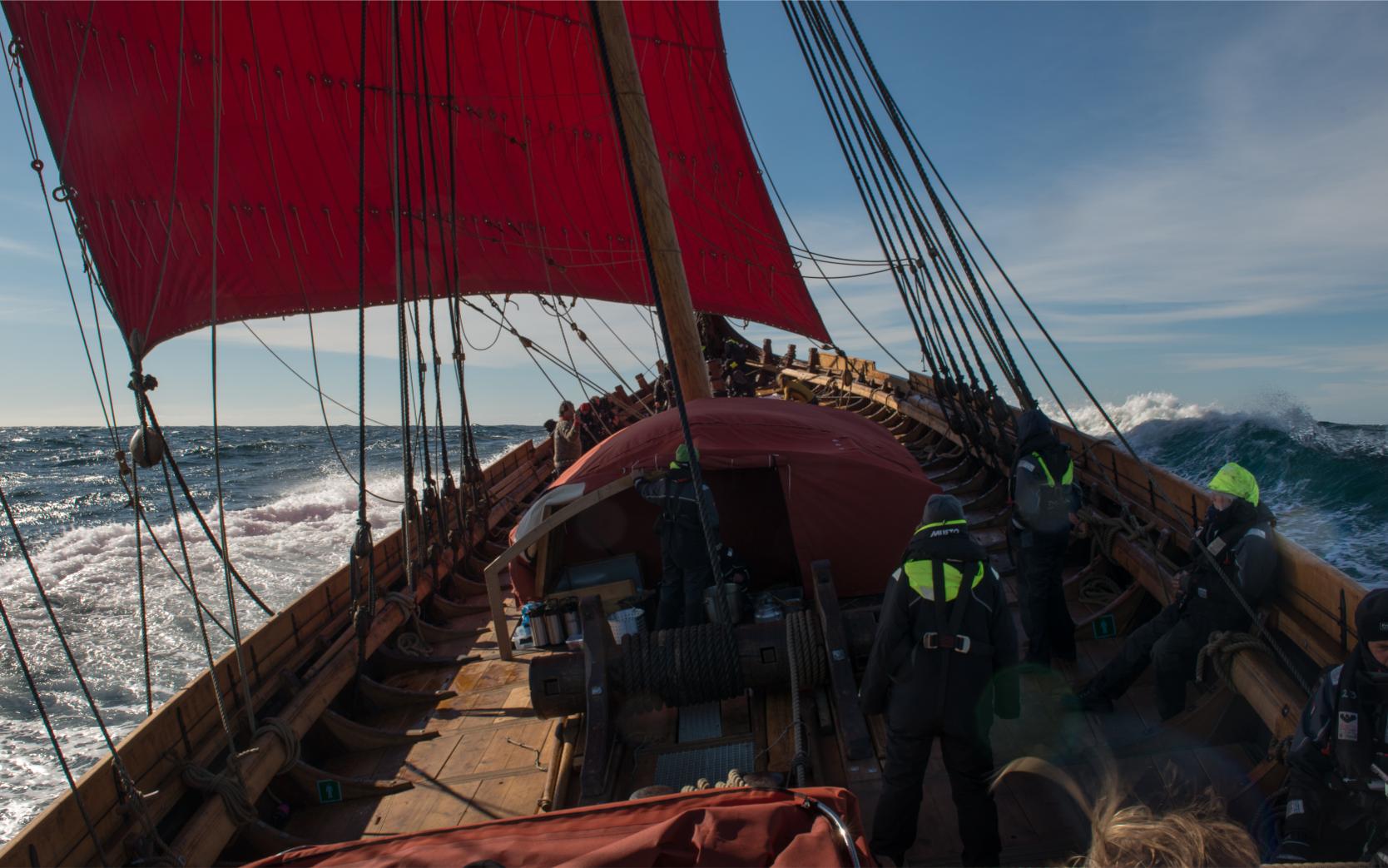
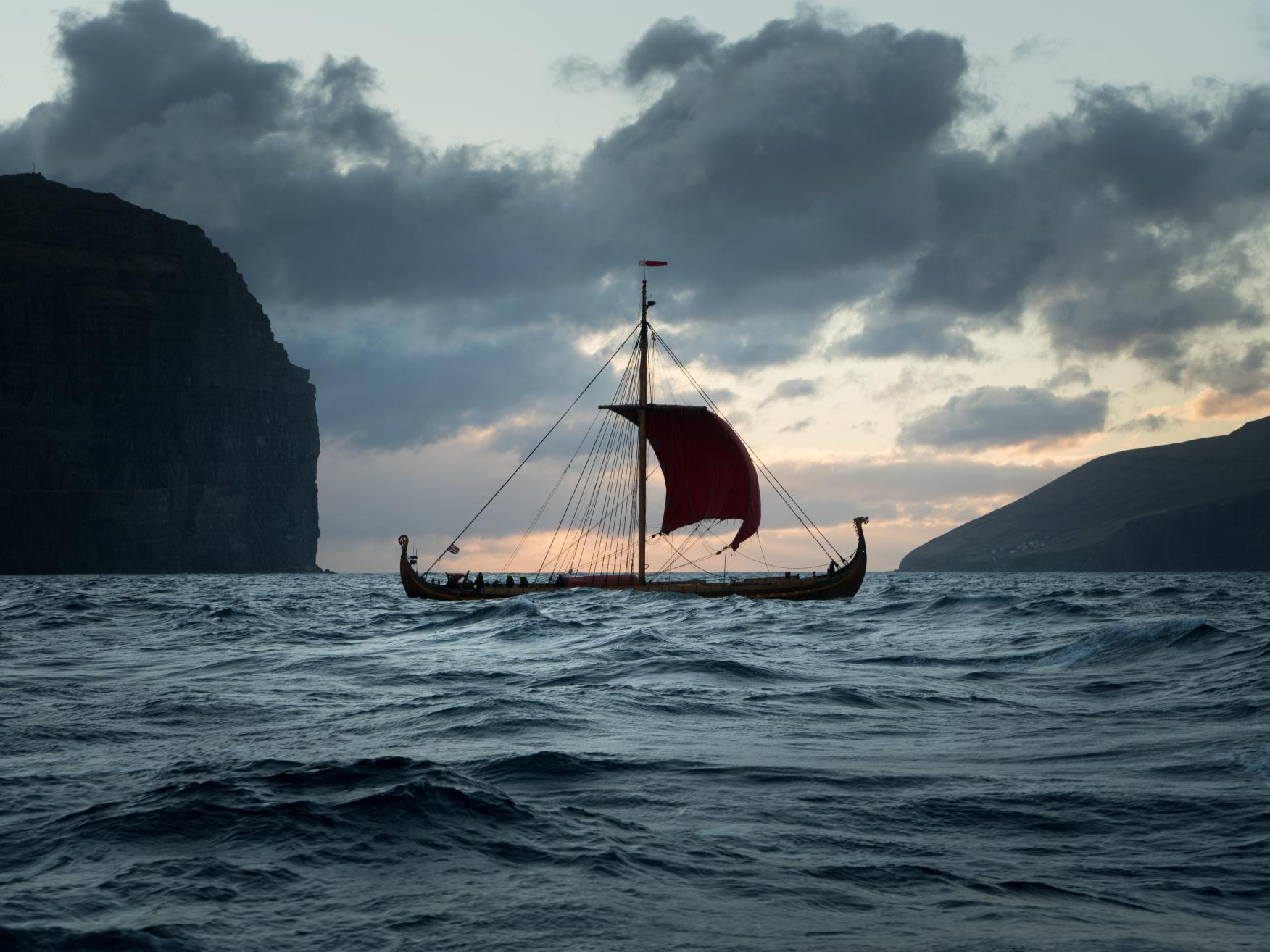
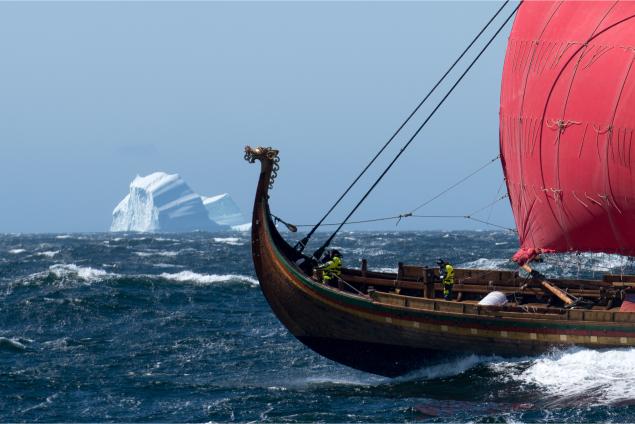
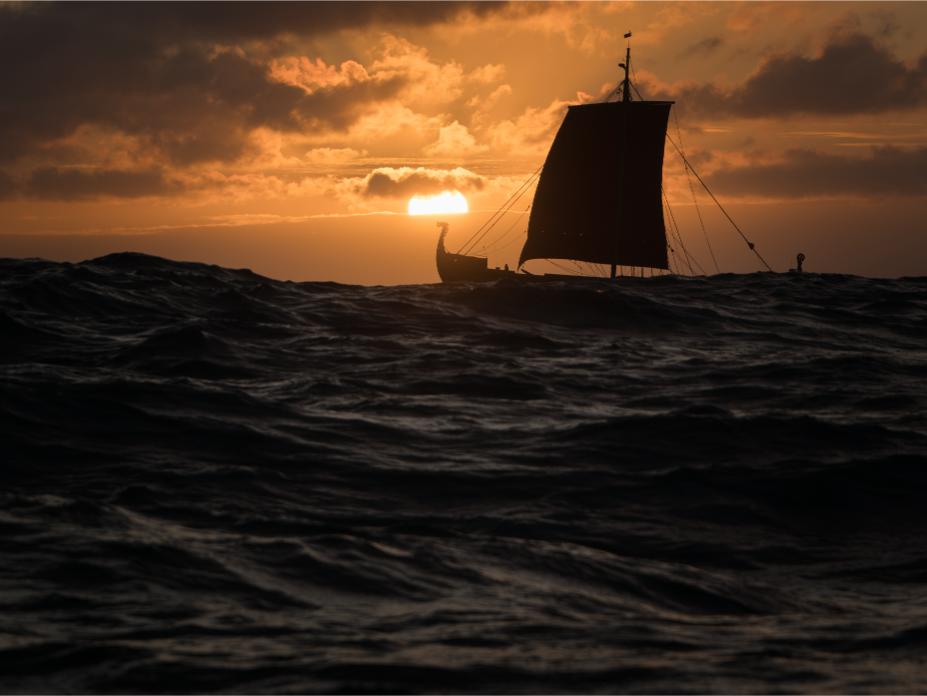
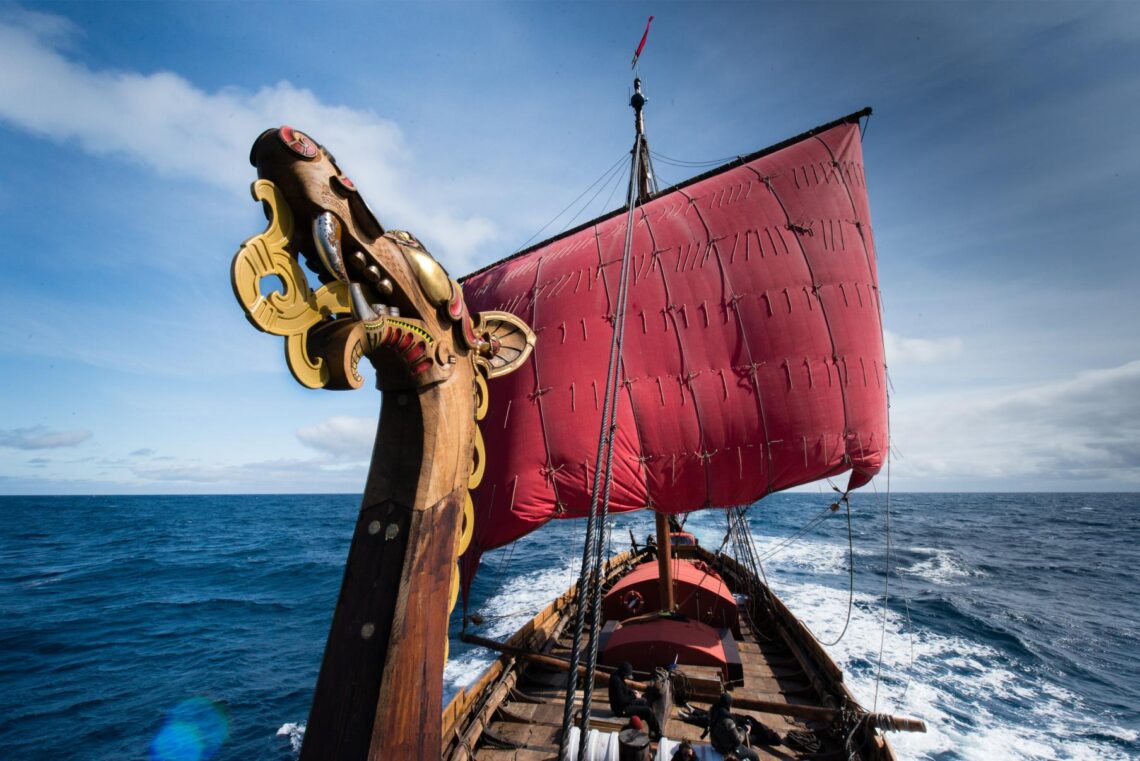
The Odyssey’s Viking Ship Draken Harald Hårfagre is blowing up! Not literally but visitors are going wild over the real Viking ship movie producer Christopher Nolan told the LA Times “became a character in the movie.” She’s the 115-foot Viking longship that carries Matt Damon‘s Odysseus throughout The Odyssey, built using traditional Norwegian boatbuilding methods and crewed by the actual sailors who worked directly into the shoot as extras. Since the film opened, she’s seen a real spike in visitors at the dock in Oslo, Norway with people coming out just to see the ship in person. She’s open to the public through originally July 31 but extended until August 16, 2026 with guided tours daily, 10 am-6 pm, at Havnelageret’s Langkaia 1, and this is the last window to see her there before she heads out on her next voyage. They’ve had more than 2,000 people aboard and the demand was strong enough that they pushed the dates – and hopefully will add more!
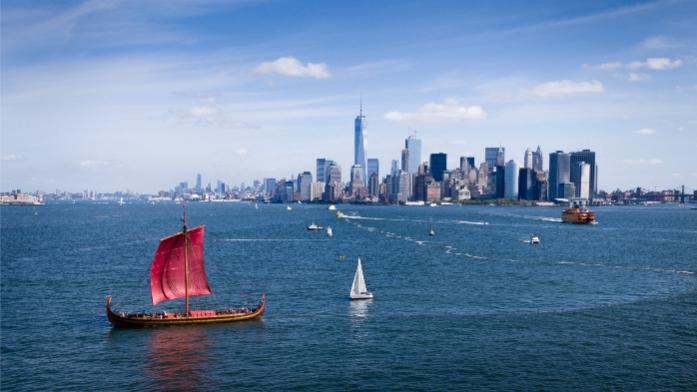
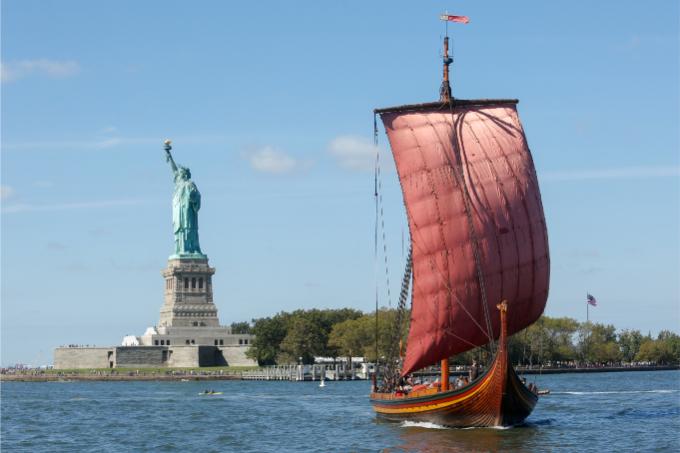
She made American headlines before, sailing into New York Harbor as part of a 2016 transatlantic crossing that won her crew the Leif Erikson Exploration History Award. It is an annual prize given by The Exploration Museum in Húsavík, Iceland. It honors people or groups who work to promote and preserve the history of exploration. Today’s crew is international, with a third American and several women among them, documenting the journey on Instagram. A Viking museum is under construction on the same waterfront, and press covering the ship can arrange a hard-hat tour of the build while it’s still an active site.
We were able to catch up with a couple of the key crew members below for an epic Q&A session. We’re pleased to introduce Björn Ahlander, Captain of Draken Harald Hårfagre. He’s the guy for all things sailing including seamanship, navigation and what it actually takes to sail a Viking ship in the modern day. And we’re also pleased to introduce Emanuel Persson, CEO & Expedition Director at Viking Kings AS (the company behind Draken). He navigates the bigger story of why the ship exists, the film moment, education and events, and what’s next for Draken. Read on, sea lovers!

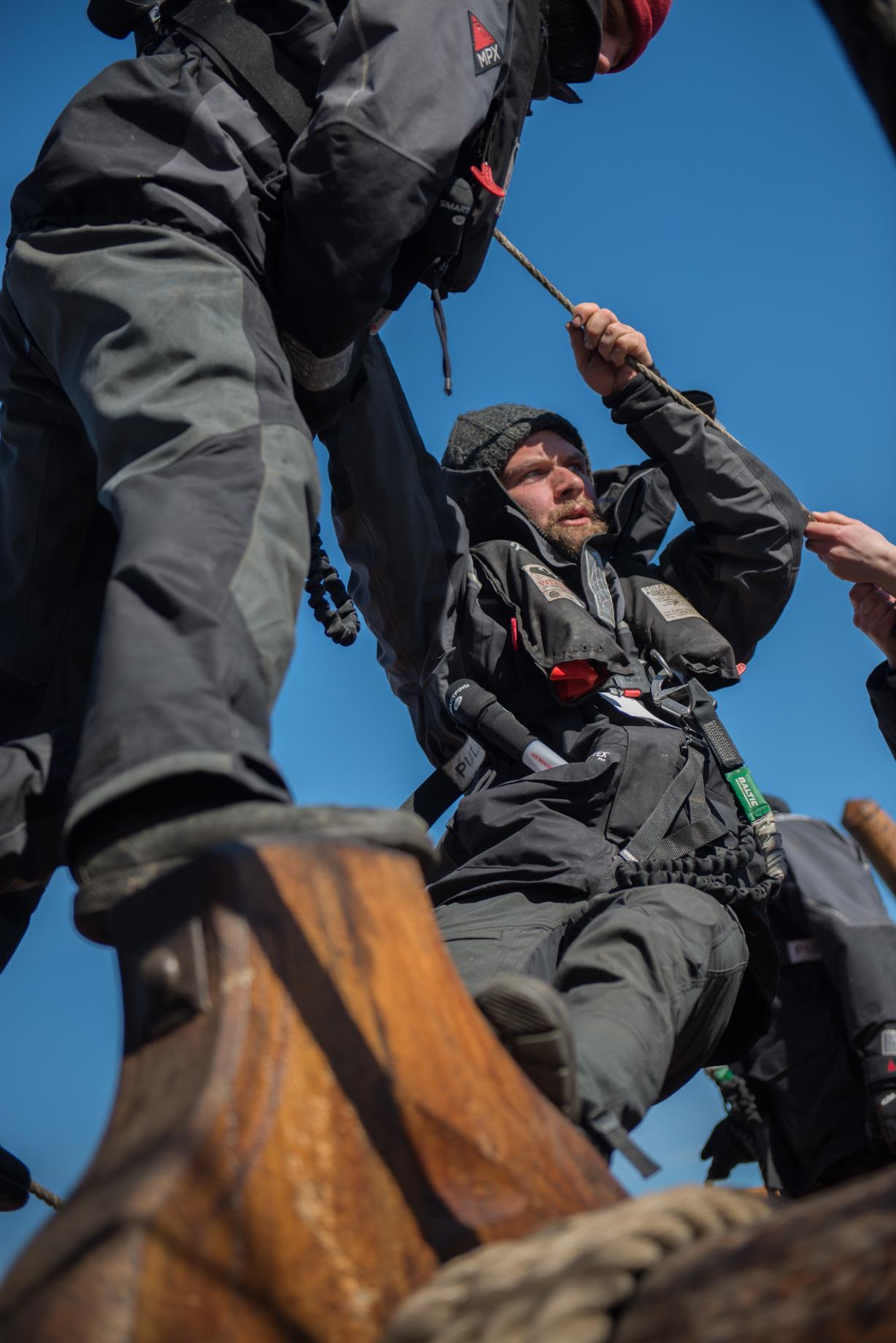
Björn Ahlander, Captain of Draken Harald Hårfagre
Q: What was the most memorable moment from Draken’s maiden voyage?
A: Our maiden voyage was in 2014 when we crossed the North Sea from Norway to Liverpool in the UK and back again. It was a challenging first test for both ship and crew, but in the end everything went well. It proved that Draken was ready for greater adventures.
Q: What was it like sailing Draken across the North Atlantic?
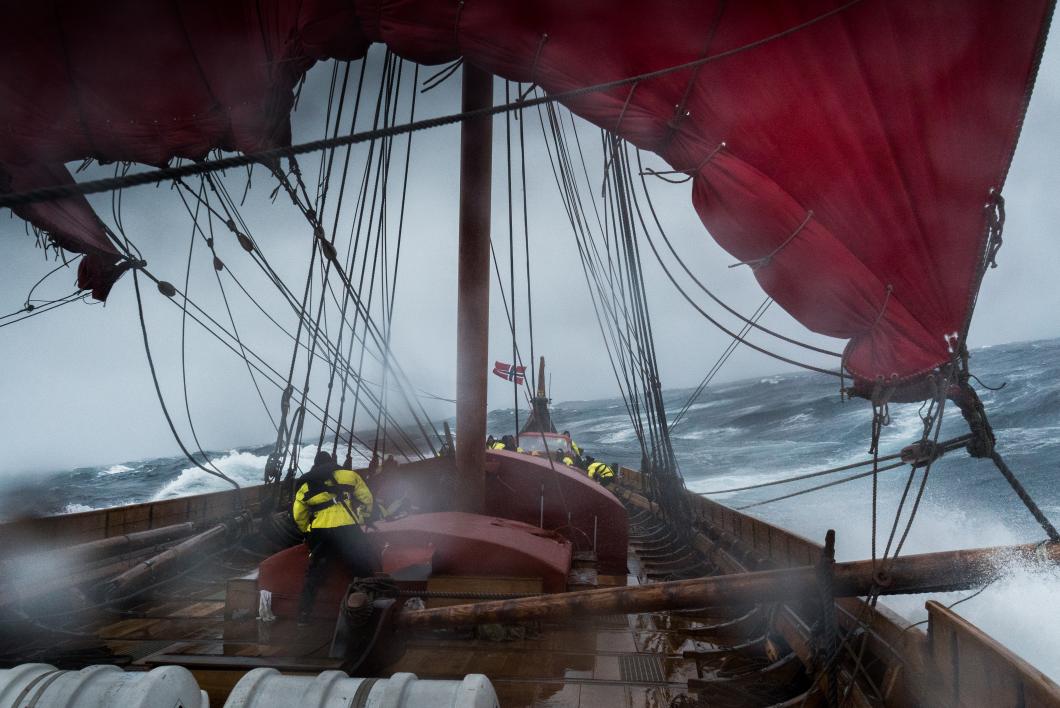
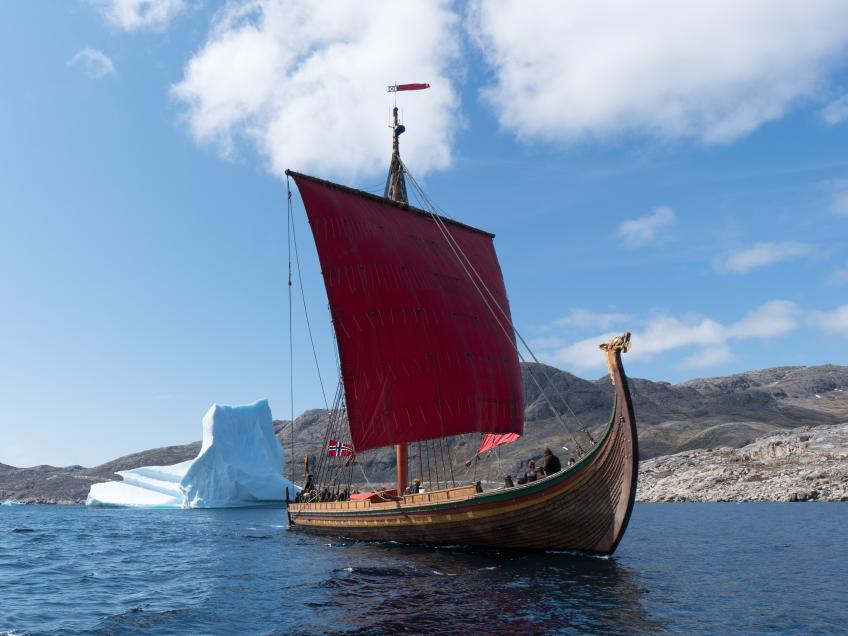
A: The expedition from Norway to Newfoundland took about one month, with stops in Shetland, the Faroe Islands, Iceland and Greenland. From there we continued through the Great Lakes, then down the Erie Canal to the Hudson River before arriving in Manhattan that autumn. It was an unforgettable voyage and a real demonstration of what this ship is capable of.
Q: How do the crew live on board during long expeditions?
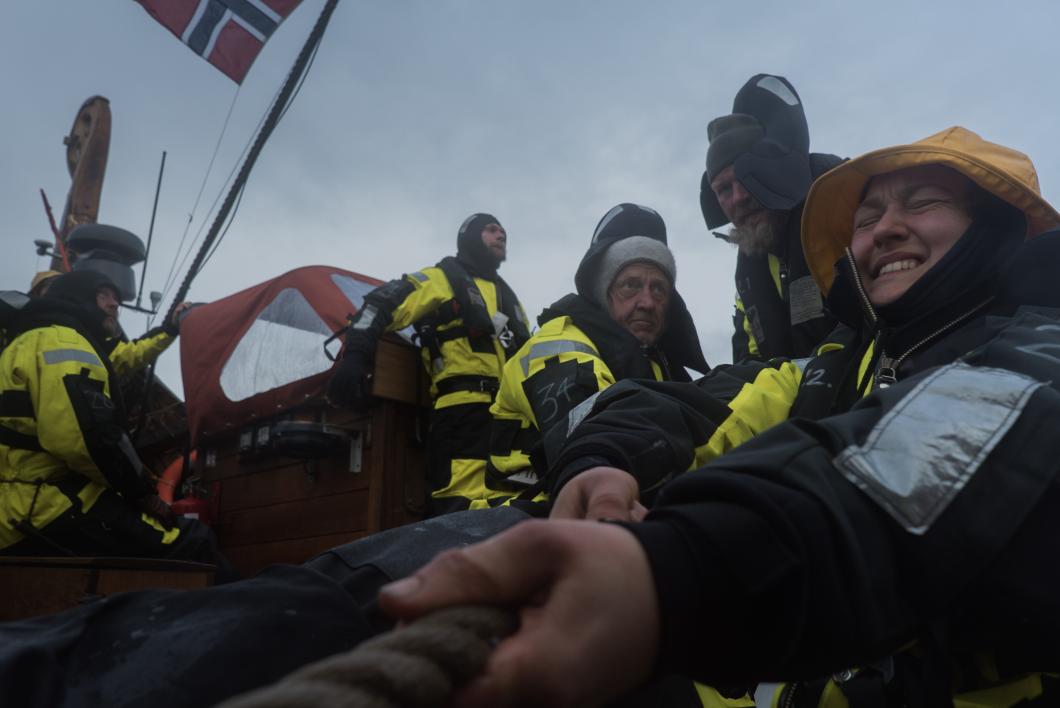
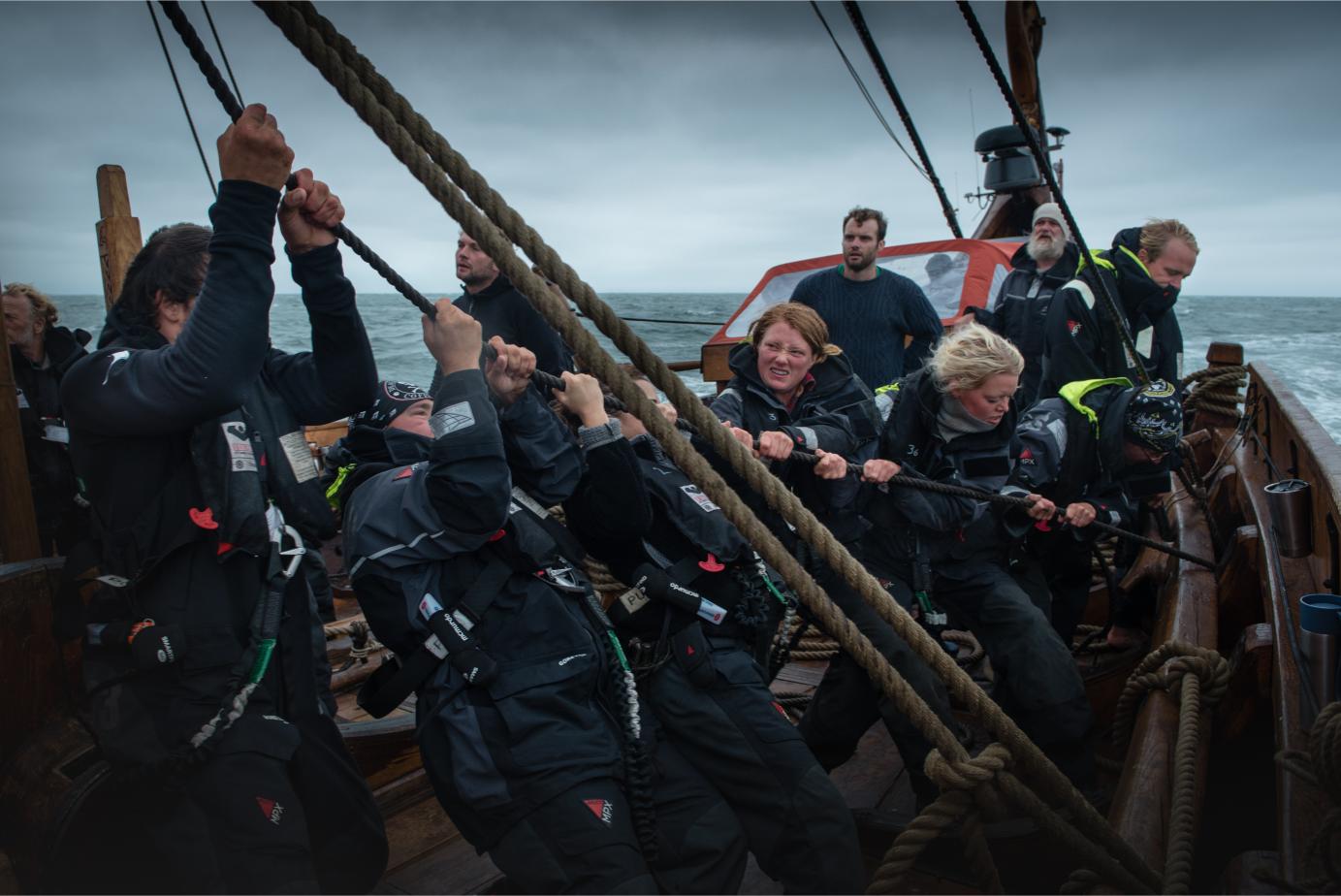
A: Our crew normally consists of 32 people. We sleep in shifts in a large tent on deck that accommodates 17 people. Fresh water is stored in tanks, while food is kept in watertight barrels beneath the deck planks. Life on board is simple, but after a few days everyone settles into the rhythm.
Q: Can you be seen in The Odyssey?
A: Yes, very briefly. As captain, I had to stay on deck throughout filming, so I couldn’t disappear into the background very often.
Q: How did you become captain of a Viking ship?
A: I went to sea at a very young age and have spent my entire career on sailing vessels. I also studied at the Swedish Maritime Academy to earn my master’s licence. When Draken was completed in 2012, they were looking for an experienced captain. That’s how I became the captain of a Viking ship.
Q: What has been the biggest challenge at sea?
A: Icebergs!
Q: What makes Draken so special?
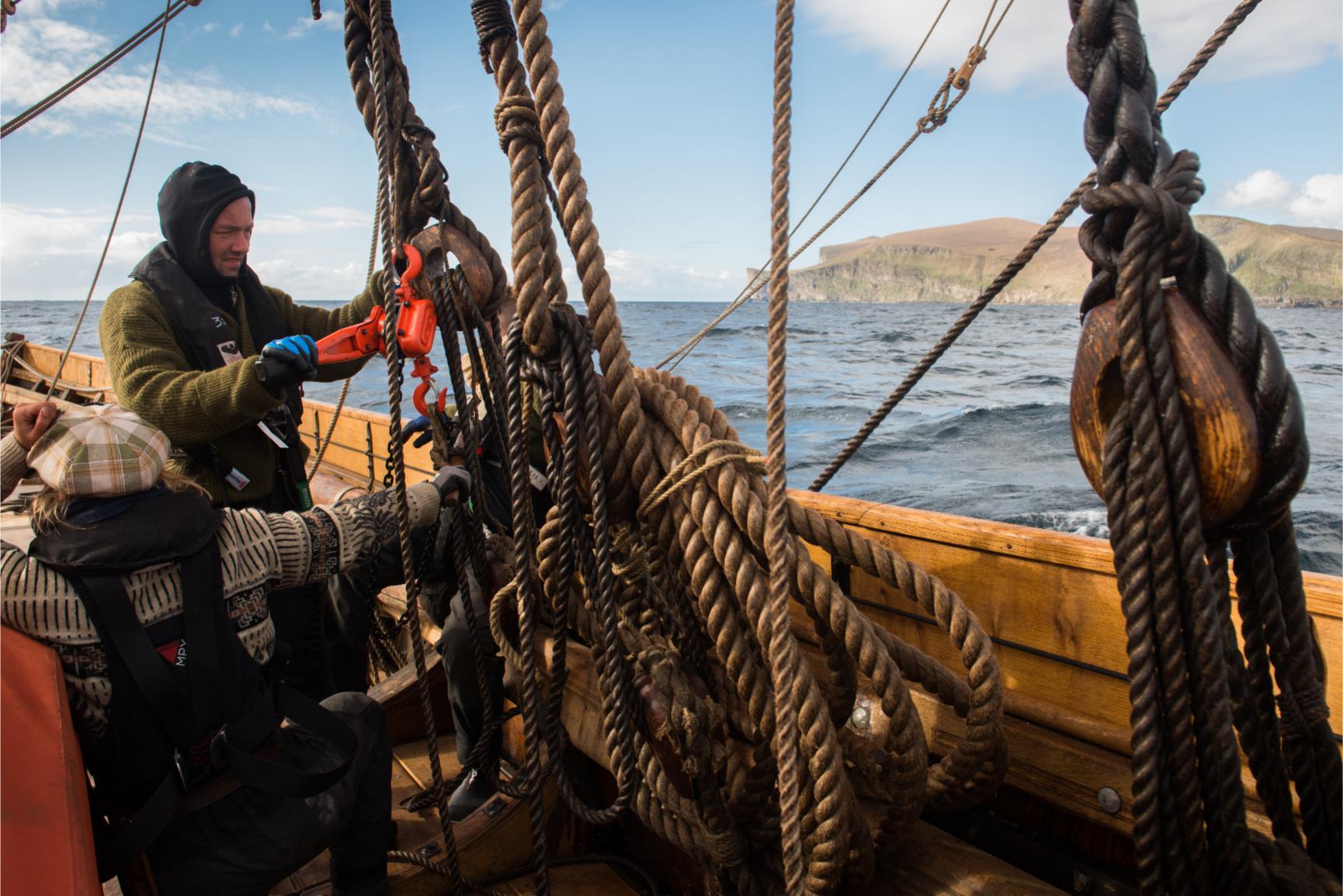
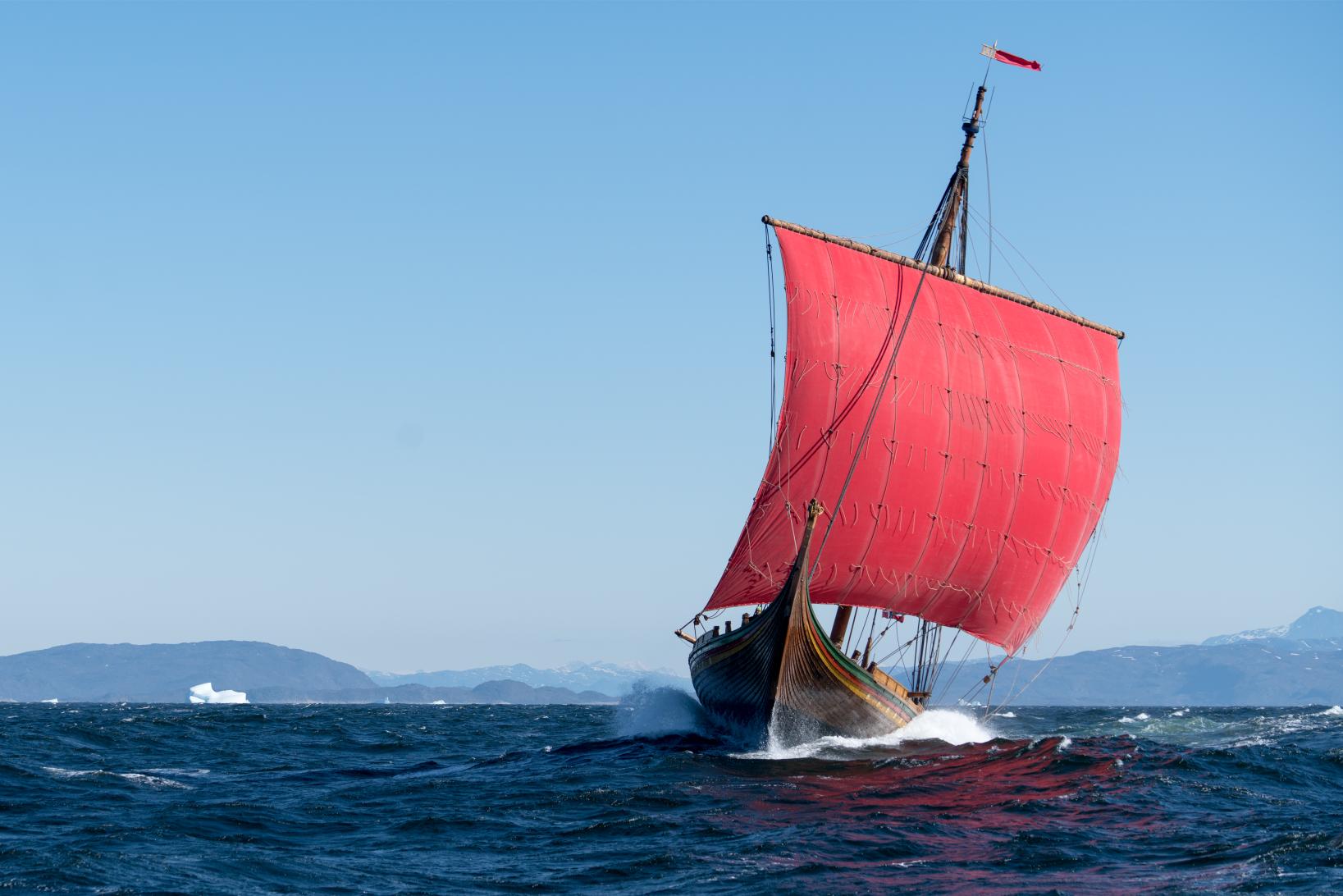
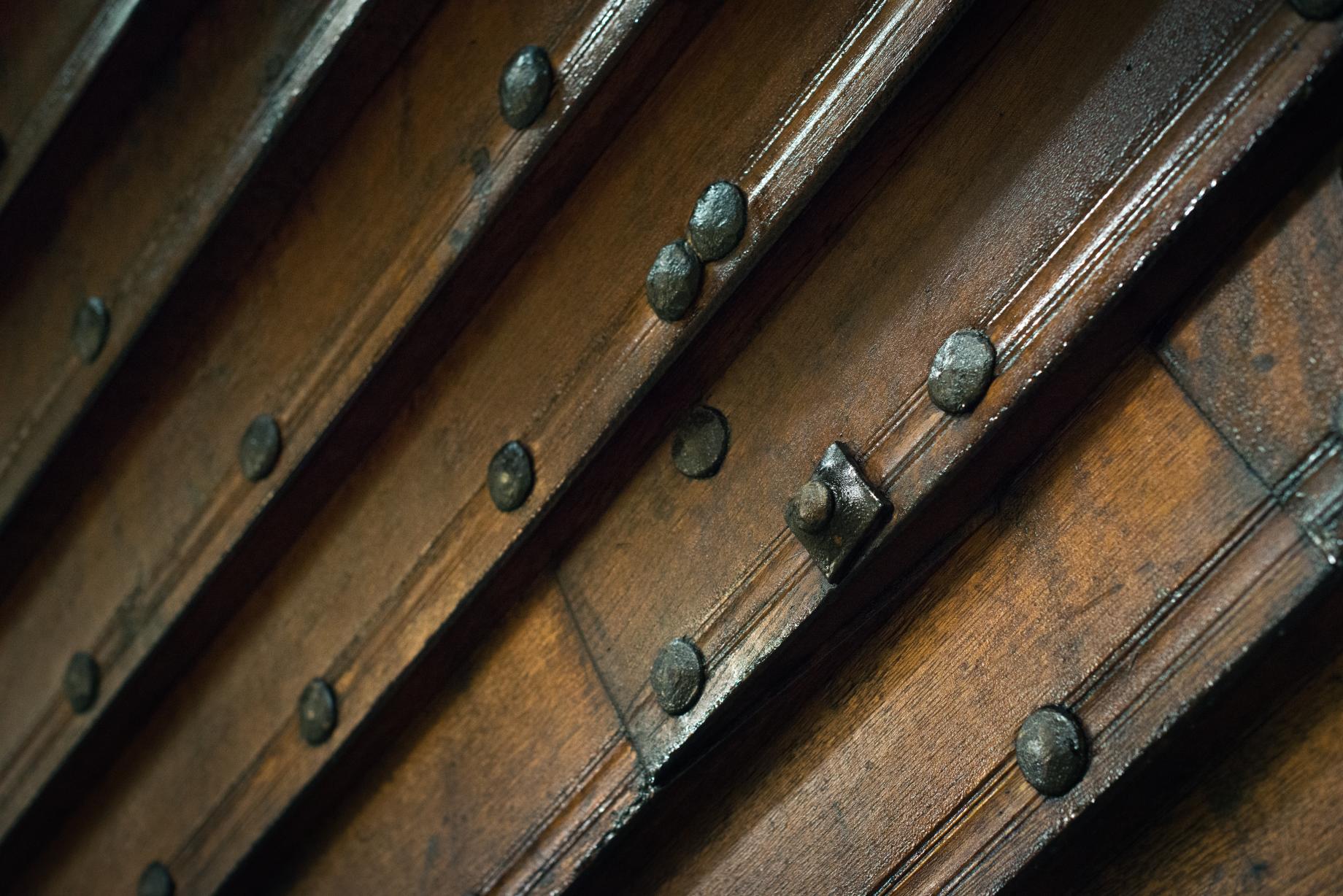
A: Draken is the world’s largest Viking ship sailing in modern times. She is an open ship, and almost every manoeuvre is carried out by hand using traditional methods. The rigging is made from hemp, the hull is built from oak, and sailing her requires teamwork, strength and experience.
Q: How would you describe life on board in three words?
A: Hard. Cold. Wet.
Q: What’s next for Draken?
A: If we can find new places to explore, we’ll go.
Emanuel Persson, CEO & Expedition Director at Viking Kings AS
Q: When was Draken built and what was the inspiration?
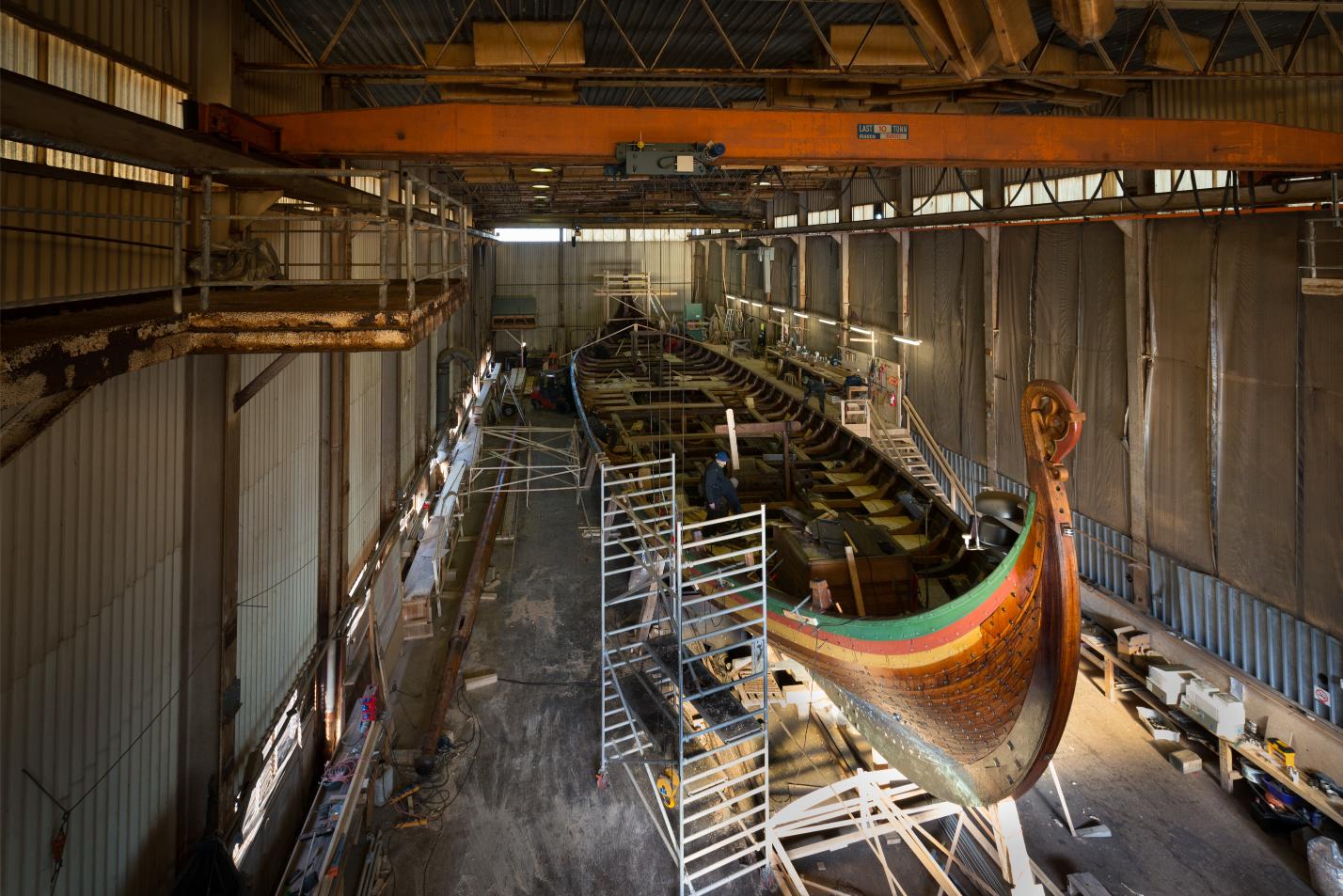
A: Draken Harald Hårfagre was built between 2010 and 2012 in Norway. She was inspired by the great royal Viking ships described in the Norse sagas, particularly the large warships built for Norwegian kings around 1,000 years ago. The ambition was not to recreate one specific archaeological find, but to explore what the largest Viking ships may actually have been capable of.
Q: How long did it take to build?
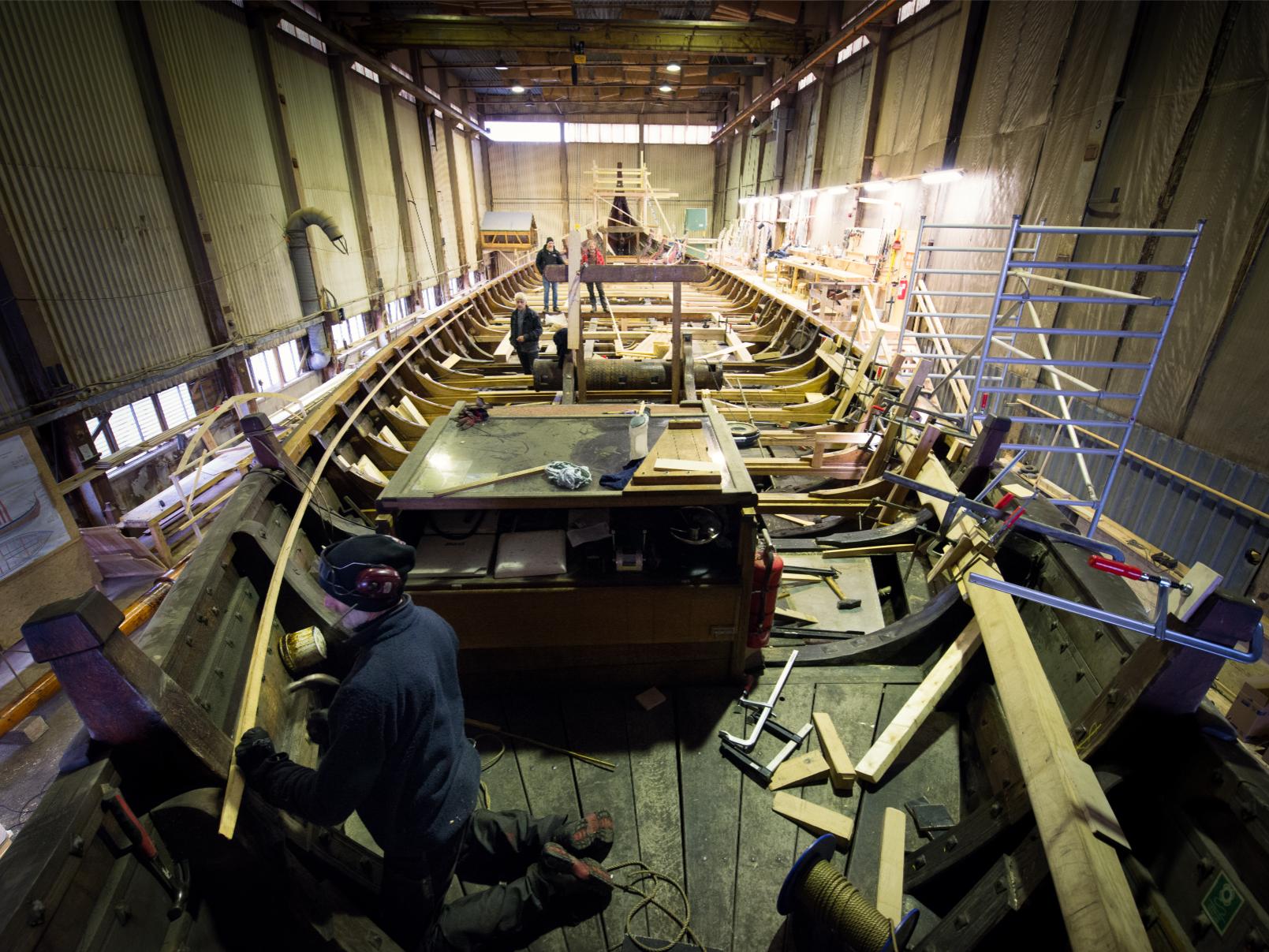
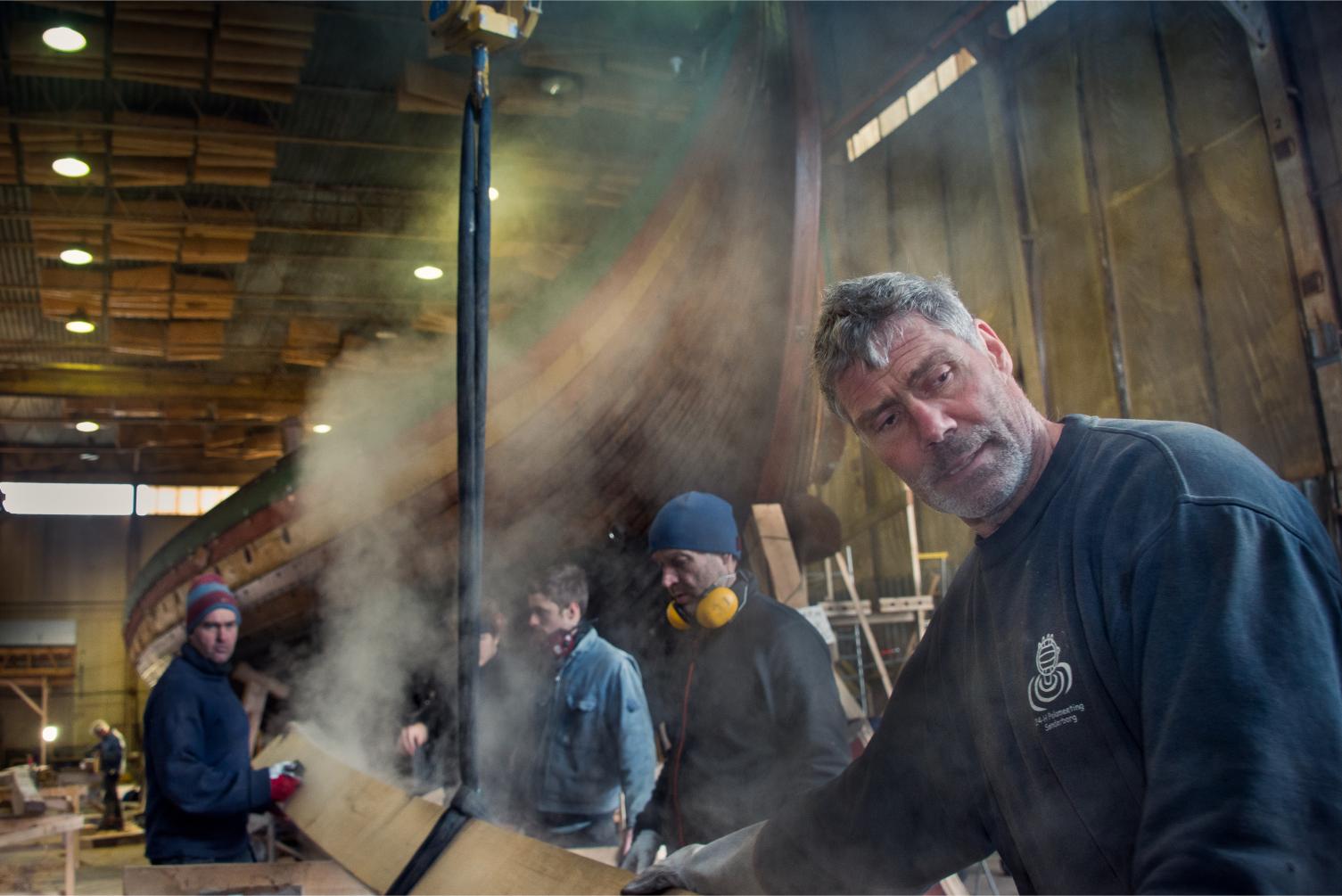
A: Construction took approximately three years and involved skilled shipwrights, blacksmiths, woodworkers and craftsmen using traditional methods wherever possible.
Q: Is it 100% handcrafted? From what kind of trees?
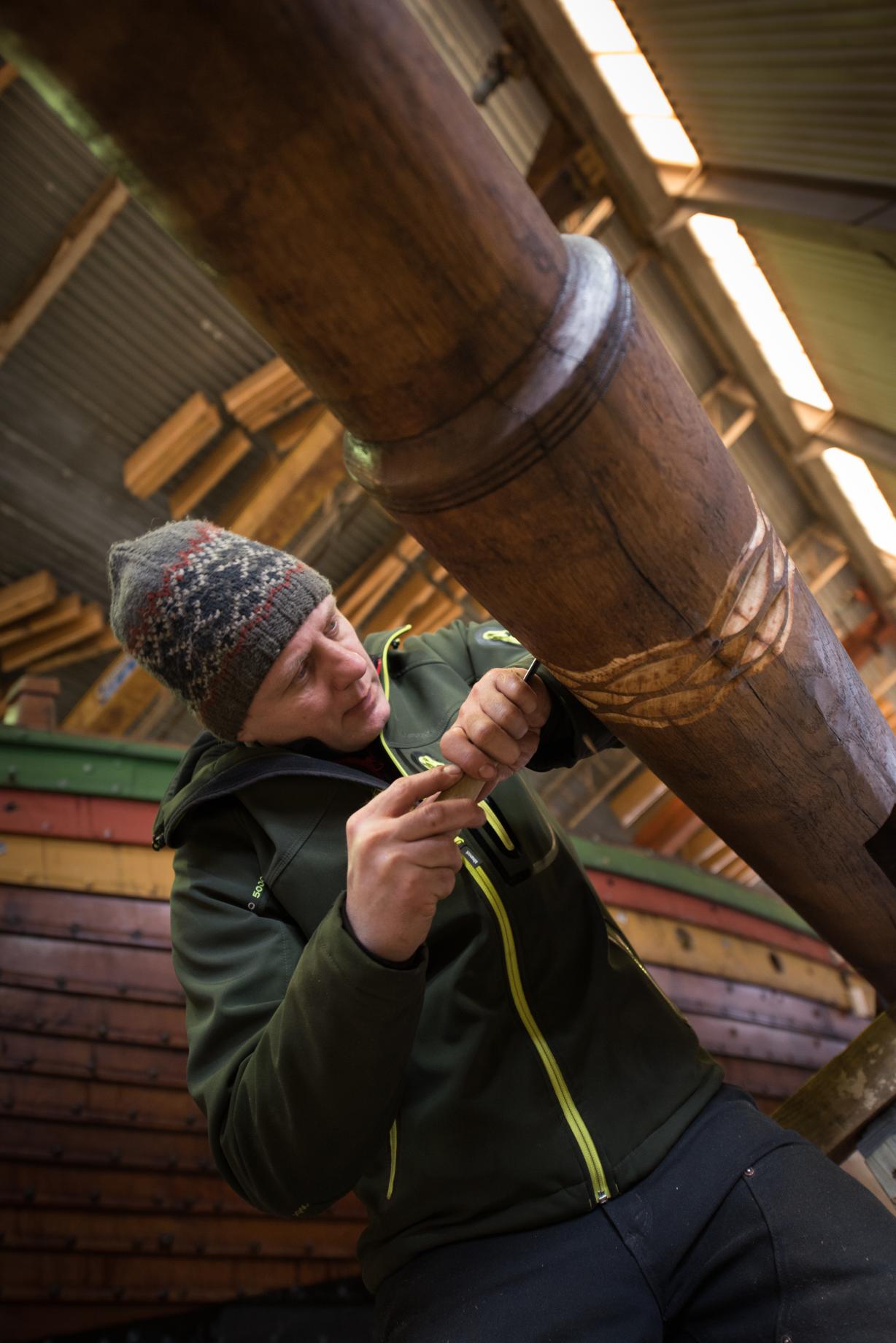
A: Almost every part of the ship was handcrafted using traditional techniques. The hull is primarily built from Norwegian oak, while other native timber species were selected where they best suited the different structural parts of the vessel. The mast is made from Douglas Fir sourced in Scotland. It replaced the original mast after it was damaged during an earlier voyage across the North Sea, and later carried Draken safely across the North Atlantic to North America during our 2016 Expedition America.
Q: What is the meaning of the art carving and the dragon head?
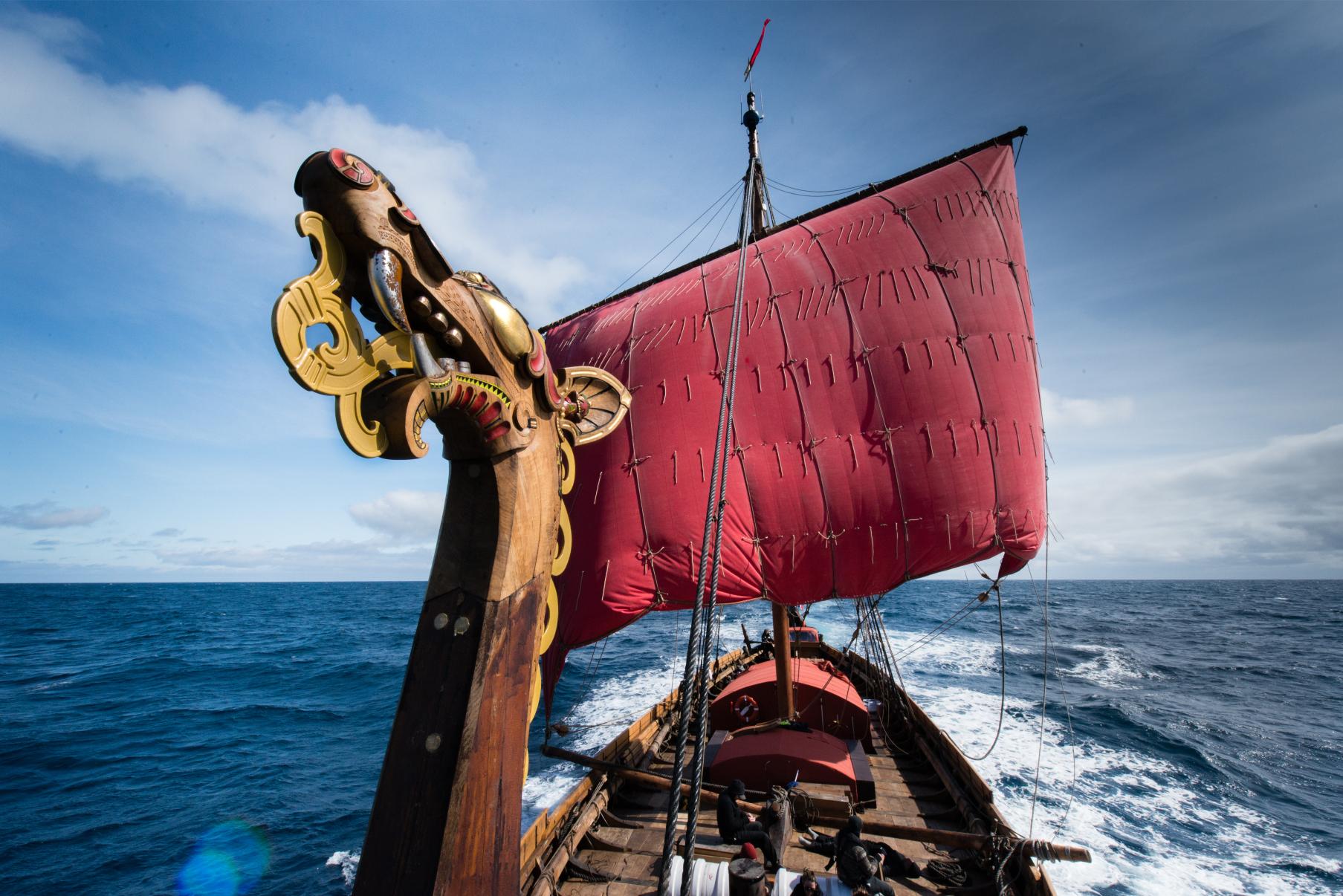
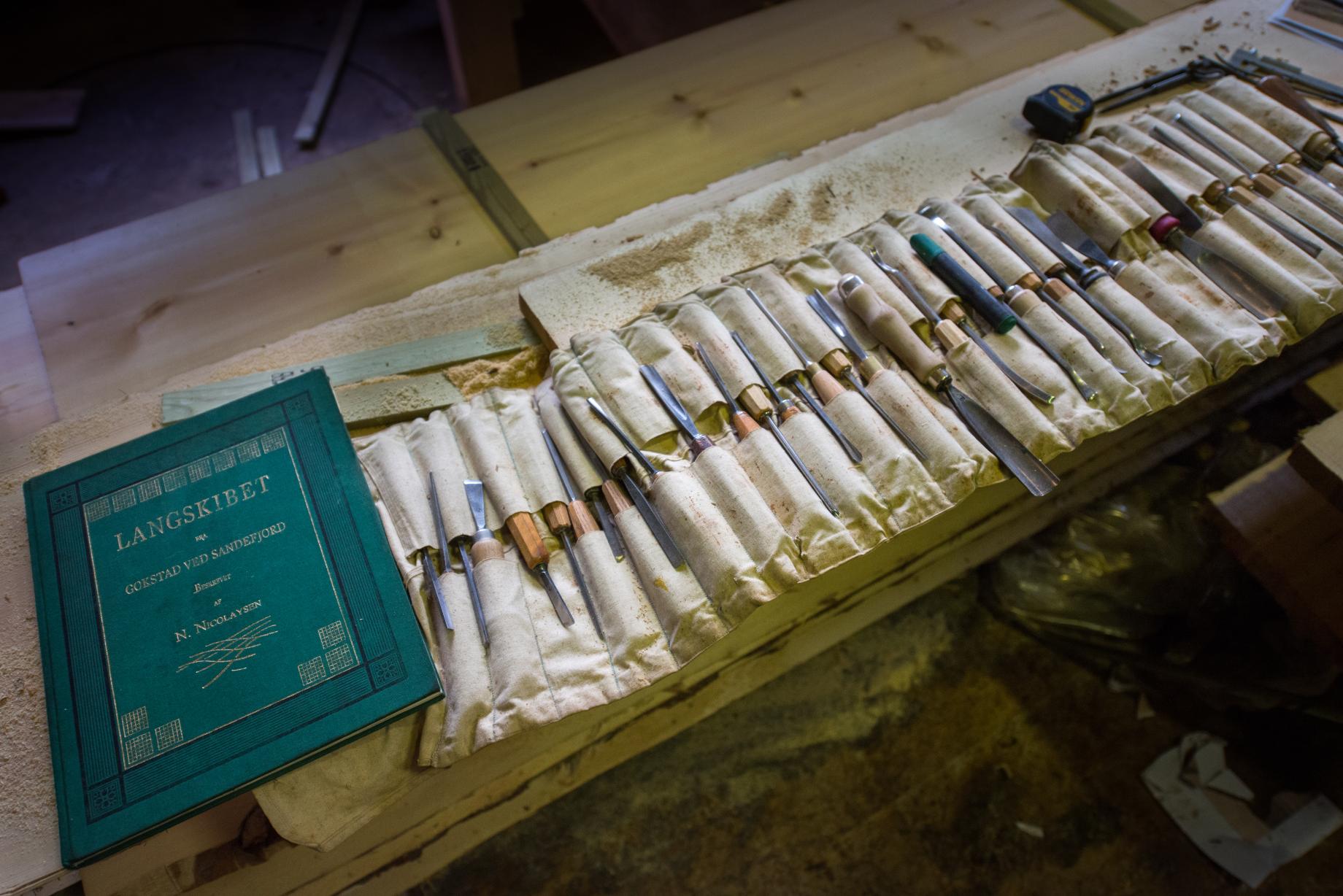
A: The dragon head is inspired by descriptions from the Viking Age and symbolizes strength, prestige and protection. Historically, dragon heads were often mounted when approaching enemies and removed in peaceful situations. The decorative carvings throughout the ship celebrate the craftsmanship and artistic traditions of the Viking Age.
Q: How did the ship get involved in The Odyssey?
A: Our practical experience was one of the main reasons we were approached. Draken has crossed the North Atlantic to North America and completed many demanding expeditions in open ocean conditions. The filmmakers wanted a real ship with a crew that had proven they could safely operate in challenging winter conditions at sea. During production, our crew also trained the actors how to row and handle the vessel.
Q: Was it returned in excellent condition after the movie?
A: Draken was returned in good condition. The modifications made for filming were temporary and were removed before the ship returned to her normal appearance. As with any vessel that spends months operating at sea, we carried out our normal maintenance before returning to regular operations.
Q: How many people visited at Langkaia 1?
A: More than 2,000 people have visited Draken so far during our stay in Oslo. The response has been fantastic, with visitors from all over the world coming aboard to experience the ship. Because of the overwhelming interest, we have decided to extend our stay in Oslo until August 16.
Q: Where does she sail next?
A: After Oslo, Draken will return to the area around her home port on Norway’s west coast for sailing and public activities before preparing for the winter season. Looking ahead to 2027, we are exploring plans to take the ship to France and the south coast of the United Kingdom.
Q: Tell us about the Viking museum under construction on the same waterfront.
A: A few of us had the opportunity to get a sneak peek inside the new Museum of the Viking Age, and it looks absolutely amazing. It will house some of the best-preserved Viking ships in the world in a spectacular new setting. We think it will become one of the world’s premier destinations for anyone interested in Viking history and maritime heritage, and we are very much looking forward to visiting again when it officially opens.
Q: Any other ships to be built in the future?
A: Our primary focus is to continue operating, preserving and sharing the knowledge gained through Draken. She is a unique platform for experiential archaeology, education and international collaboration. We are always exploring future opportunities, but there are currently no announced plans to build another ship.